
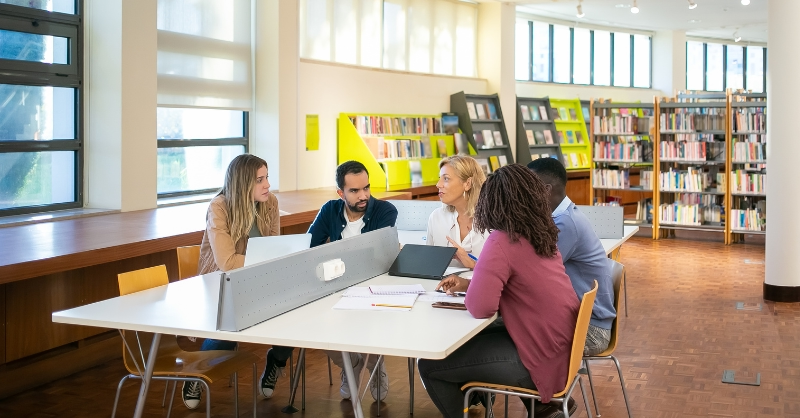
Campus libraries are one of the most valuable yet often underused resources available to students studying abroad. Many international students see the library only as a quiet place to study or borrow textbooks, but modern university libraries offer far more than shelves of books. They are academic hubs designed to support learning, research, collaboration, and personal growth. Learning how to use campus libraries efficiently can significantly improve academic performance, save money, and reduce stress throughout your studies.
Understanding the Role of Campus Libraries
University libraries are built to support every stage of a student’s academic journey. They provide access to academic books, journals, research databases, past exam papers, multimedia resources, and study tools that students may not be able to afford individually. Libraries also act as learning spaces where students can focus, collaborate, and seek academic guidance. Understanding this broader role helps students move beyond basic usage and unlock the library’s full potential.
Getting Familiar with Library Layout and Sections
Most campus libraries are large and organized into multiple sections such as silent study zones, group study areas, computer labs, reference sections, and multimedia rooms. Taking time during the first few weeks to explore the library helps students know where to go for different needs. Silent zones are ideal for deep concentration, while group rooms support discussions and project work. Knowing the layout saves time and increases productivity during busy academic periods.
Using Library Catalogs and Search Systems
Libraries use digital catalogs that allow students to search for books, journals, articles, and online resources. Learning how to use keywords, filters, and advanced search options makes research faster and more accurate. Many students waste hours searching randomly when the library system can quickly direct them to relevant academic sources. Librarians often provide training sessions on using these systems, which students should attend whenever possible.
Accessing Academic Journals and Databases
One of the biggest advantages of campus libraries is free access to premium academic databases that are otherwise expensive. These databases contain peer-reviewed journals, research papers, case studies, and conference publications essential for assignments and dissertations. Understanding how to access and cite these sources correctly improves academic credibility and helps students score better grades.
Borrowing Books and Managing Loan Periods
Library borrowing systems vary by university, but most allow students to borrow books for specific periods. Knowing loan limits, renewal options, and return deadlines is important to avoid fines. Many libraries allow online renewals, saving time and effort. Students should also learn how to place holds on popular books, especially during exam seasons when demand is high.
Using Study Spaces Effectively
Campus libraries provide different study environments to suit various learning styles. Some students focus better in complete silence, while others prefer light background noise or group interaction. Using the right space for the right task increases efficiency. Reserving group study rooms in advance is especially useful during project deadlines or presentation preparations.
Taking Advantage of Library Technology
Modern libraries offer access to computers, printers, scanners, software tools, and sometimes even recording studios or design labs. These facilities are often included in tuition fees, saving students additional expenses. Learning how to use printing credits, scanning services, and academic software available through the library helps students complete assignments professionally and on time.
Seeking Help from Librarians and Support Staff
Librarians are trained professionals who help students with research, referencing, database navigation, and academic writing resources. Many students hesitate to ask for help, but library staff are there specifically to support learning. Consulting librarians can make complex research tasks simpler and reduce confusion, especially for international students adjusting to a new academic system.
Using Libraries for Exam Preparation
Libraries often provide access to past exam papers, sample questions, and recommended reading lists. These resources give students insight into exam patterns and expectations. Studying with these materials helps students prepare strategically rather than memorizing content blindly. Some libraries also run exam preparation workshops or stress-free study sessions during peak periods.
Making Use of Extended Hours and Online Access
During exams, many campus libraries offer extended hours or 24-hour access. Planning study schedules around these timings helps students avoid overcrowding and distractions. Additionally, online library portals allow students to access e-books, journals, and resources from anywhere, making it easier to study off-campus or during holidays.
Avoiding Common Library Mistakes
Many students underuse libraries because they feel overwhelmed or assume resources are outdated. Others rely only on online searches and ignore academic databases. Avoiding these mistakes by actively engaging with library services ensures students gain maximum academic benefit. Respecting library rules, returning materials on time, and maintaining quiet zones also contribute to a positive study environment for everyone.
Final Thoughts
Using campus libraries efficiently can transform the academic experience for international students. Libraries are not just study halls but complete learning ecosystems that support research, collaboration, and personal growth. By understanding available resources, seeking help when needed, and developing smart study habits, students can make the library a powerful ally throughout their education abroad. A student who masters library usage gains a strong academic advantage and builds skills that last beyond university life.