
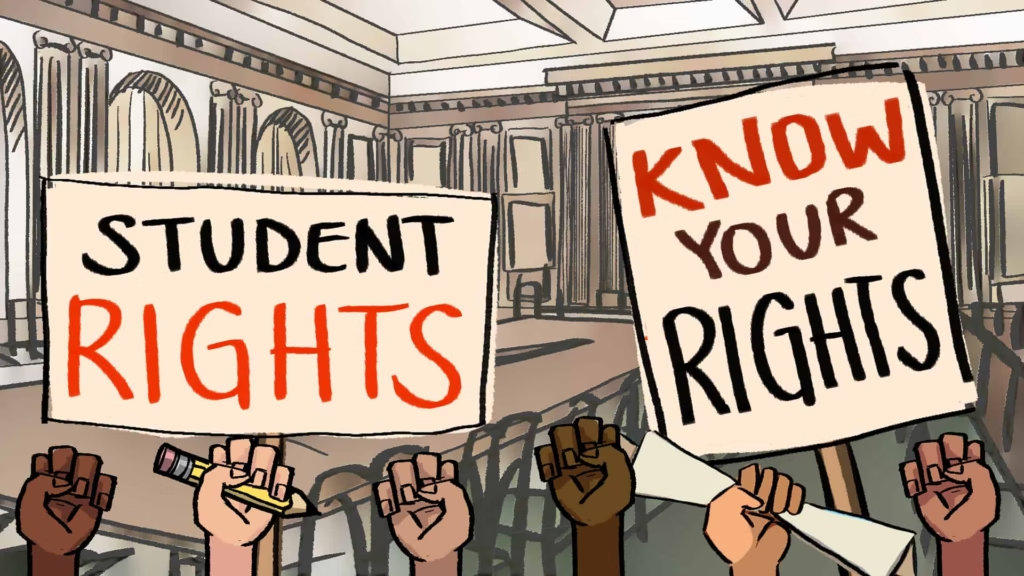
International students often focus on admissions, visas, accommodation, and finances, but one important area many forget to understand is their legal rights. When you study abroad, you are protected by specific laws, university policies, and visa regulations. Knowing your rights ensures that you stay safe, avoid exploitation, and confidently handle any difficult situation that may arise in your academic or personal life. This guide provides a complete understanding of what your rights are as an international student, how they work, and what you can do if your rights are violated.
Academic Rights
Every international student has the right to receive fair and equal treatment in academic settings. Universities must follow their official policies and cannot discriminate based on nationality. You have the right to attend classes, access study materials, seek academic support, and receive your grades on time. If you face unfair marking, inadequate teaching, or are denied access to required academic facilities, you can file a complaint through the university’s academic grievance system. You also have the right to request learning accommodations if you have a documented disability or special learning need.
Safety and Well-Being Rights
International students are protected under the same safety laws as domestic students. This includes protection from harassment, bullying, discrimination, hate speech, racism, and sexual misconduct. Universities are legally required to provide a safe environment and offer access to counselling, mental health support, and emergency help. If you face unsafe situations either on or off campus, you can contact campus security, local police, or student support services. You also have the right to confidentiality when reporting incidents.
Visa and Work Rights
Your student visa outlines what you can and cannot do. This usually includes limits on working hours, rules for internships, and requirements for full-time enrolment. You have the right to receive clear and correct information from your university about visa compliance. You cannot be forced to work unpaid, illegally, or beyond permitted hours. Employers must follow labour laws, pay minimum wage, and maintain ethical work practices. If an employer threatens your visa status, you have the right to report them to labour authorities or immigration officials.
Housing Rights
Whether you stay on-campus or off-campus, you are protected by tenancy laws. You have the right to a safe and livable space, privacy, and proper maintenance. Landlords cannot enter your room without notice, increase rent unfairly, or force you to move without legal procedure. You also have the right to receive your deposit back unless there is valid damage. If you face issues such as fraud, unsafe living conditions, or harassment from landlords, you can report it to housing authorities or the university housing office.
Financial and Fee-Related Rights
Universities must be transparent about tuition fees, refund policies, payment deadlines, and scholarship terms. You have the right to receive written information about all costs before enrolling. If the university increases fees without prior notice, charges hidden fees, or denies a refund that you are eligible for, you can appeal the decision. You are also protected against financial scams targeting international students. Banks and financial institutions must follow strict guidelines when offering student accounts or loans.
Healthcare Rights
International students in many countries are required to have health insurance, which guarantees access to medical treatment. You have the right to visit hospitals or clinics, receive emergency care, and access mental health services. Universities must guide you on how to use your insurance, what it covers, and how to claim reimbursements. In case of medical emergencies, no hospital can refuse treatment simply because you are a foreign student.
Anti-Discrimination Rights
Most countries have strong laws prohibiting discrimination based on nationality, race, color, religion, gender, disability, or language. If you face discrimination in classrooms, part-time jobs, accommodation, or public places, you have the right to file a complaint. Universities typically have dedicated anti-discrimination bodies, and many countries offer external complaint systems that protect international students without affecting their visa status.
Right to Access Support Services
Every university must provide international students with access to support services such as academic advisors, career counselling, legal help, mental health support, and accommodation assistance. These services exist to help you succeed and feel comfortable in a new environment. If support is denied or not provided properly, you have the right to escalate the issue to higher university authorities.
What to Do If Your Rights Are Violated
If you ever feel that your rights have been ignored or violated, the first step is to document everything. Keep emails, screenshots, photos, or written notes. Report the issue to the appropriate office such as international student services, academic affairs, HR, student union, or campus security. If the issue remains unresolved, you can seek help from external organizations such as ombudsman offices, labour departments, legal aid clinics, or immigration authorities. Your visa status cannot be cancelled simply because you reported a violation.
Final Thoughts
Understanding your rights as an international student is just as important as managing your finances, accommodation, or academics. When you are aware of the protections available to you, it becomes easier to navigate challenges and focus on building a successful academic journey abroad. Always stay informed, ask questions when unsure, and reach out for help whenever needed. A well-informed student is a confident and empowered student.