
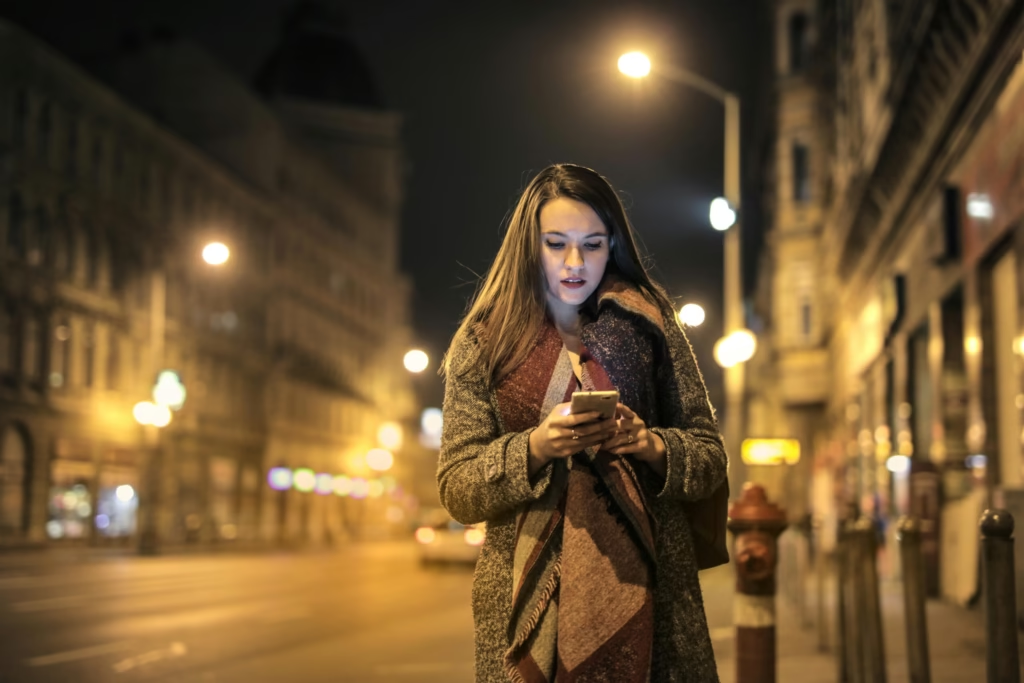
Traveling at night while studying abroad can be necessary for classes, part-time jobs, social events, or internships. However, international students may face unfamiliar routes, cultural differences, or safety risks when commuting after dark. Being aware, prepared, and cautious is essential for personal safety and peace of mind. Following practical tips ensures students can navigate their new environment confidently without compromising their well-being.
Plan Your Route in Advance
Before heading out at night, always plan your route. Use reliable navigation apps, university transport maps, or local transit schedules to identify the safest paths. Avoid shortcuts through poorly lit streets, isolated areas, or neighbourhoods with high crime rates. Knowing alternative routes in advance also helps if your primary option is unavailable due to delays or cancellations.
Use Trusted Transportation Options
When commuting at night, stick to trusted transportation methods. Public transit, licensed taxis, and ride-sharing services are generally safer than unregulated options. If using ride-sharing apps, confirm the driver’s identity, vehicle registration, and route before starting your trip. For public transportation, familiarize yourself with schedules to avoid long waits at stations or stops after dark.
Travel in Groups Whenever Possible
There is safety in numbers. Traveling with friends or classmates reduces vulnerability and provides mutual support. If traveling alone, inform a friend or family member of your expected arrival time and route. Some universities offer night shuttle services or escort programs for students, which can be an added layer of safety.
Stay Alert and Minimize Distractions
Being aware of your surroundings is crucial. Avoid distractions such as headphones at high volume or excessive phone use while walking or commuting. Keep valuables secure and avoid displaying expensive electronics or cash openly. Staying alert allows you to react quickly to unexpected situations and maintain personal safety.
Follow Local Safety Guidelines
Every country and city has specific safety norms. Learn local laws, transit regulations, and emergency contact numbers. Pay attention to cultural expectations regarding travel at night, such as restricted areas, curfews, or gender-specific precautions. Understanding local norms reduces risk and ensures respectful behavior in the host country.
Use Well-Lit and Populated Routes
Always choose routes that are well-lit and frequented by other pedestrians or vehicles. Avoid alleyways, parks, or deserted streets, especially in unfamiliar areas. Visibility reduces the risk of accidents and deters potential threats. Using streets with active businesses, streetlights, and security cameras adds an extra layer of protection.
Trust Your Instincts
Intuition is an important tool for safety. If a route, vehicle, or situation feels unsafe, change your plan immediately. Do not ignore warning signs or feelings of unease. Seeking help from nearby stores, security personnel, or fellow pedestrians is always preferable to taking unnecessary risks.
Keep Emergency Contacts Handy
Before commuting at night, have local emergency numbers, university security contacts, and trusted friends’ phone numbers readily available. Save these contacts on your phone and carry a small written copy as a backup. Knowing who to call in case of an emergency can make a significant difference in response time and outcomes.
Limit Night Travel When Possible
While sometimes unavoidable, consider adjusting schedules to minimize night travel. Group classes, study sessions, or work shifts to align with daylight hours. If night travel is necessary, combine trips with multiple errands to reduce exposure and transit frequency.
Use Safety Apps and Technology
Many mobile apps provide safety features like location sharing, emergency alerts, or quick access to authorities. Universities often recommend apps designed for students that track location, send alerts, and connect to campus security. Leveraging technology enhances safety and reassurance during night commutes.
Final Thoughts
Safe night travel and commuting abroad require awareness, planning, and caution. By using trusted transportation, staying alert, traveling in groups, and following local safety guidelines, international students can minimize risks and maintain personal security. Prioritizing safety allows students to focus on academics, work, and social activities while confidently navigating their new environment. Being prepared is the key to enjoying the freedom and independence that studying abroad offers.