
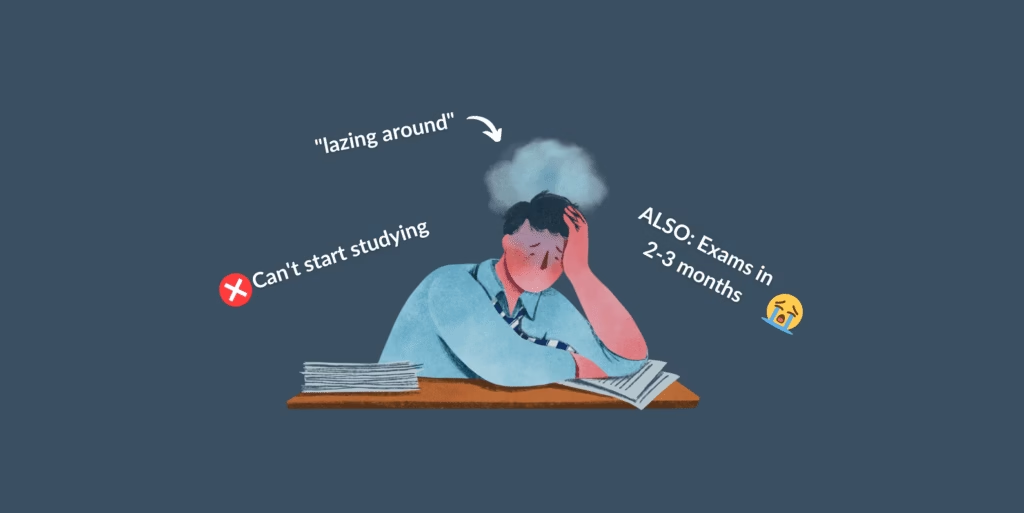
Studying abroad is an exciting experience, but the academic pressure in foreign education systems can be intense. Continuous assignments, self-directed learning, part-time work, and adapting to a new culture often push international students toward exhaustion. Many students underestimate the importance of structured study breaks and burnout prevention until their performance and health start to decline. Understanding how foreign education systems function and learning to manage energy effectively is essential for long-term academic success.
Why Burnout Is Common Among International Students
Burnout abroad often results from a combination of academic overload, cultural adjustment, language challenges, and high personal expectations. Foreign universities emphasize independent learning, which means students must manage deadlines, research, and preparation on their own. Without proper breaks, this constant pressure leads to mental fatigue, lack of motivation, and emotional stress.
Understanding the Study Culture Abroad
In many foreign education systems, productivity is measured by consistency rather than long hours. Professors expect students to engage deeply with material over time instead of cramming before exams. This approach requires students to pace themselves and integrate regular breaks into their study routines.
The Role of Study Breaks in Academic Performance
Study breaks are not a sign of laziness; they are a productivity tool. Short, intentional breaks help the brain process information, improve focus, and enhance memory retention. Students who schedule breaks often perform better than those who study continuously without rest.
Types of Effective Study Breaks
Not all breaks are equally effective. Passive scrolling on social media often increases mental fatigue. Active breaks such as walking, stretching, listening to music, light exercise, or brief meditation help reset the brain and restore concentration. Even a 10–15 minute break can significantly improve study efficiency.
Using Time-Blocking to Prevent Overstudy
Foreign education systems reward time management. Time-blocking allows students to allocate fixed periods for studying, breaks, meals, and rest. This structure prevents overstudying and ensures that breaks are taken without guilt. Clear schedules also reduce anxiety around unfinished tasks.
Recognizing Early Signs of Burnout
Burnout rarely happens suddenly. Early signs include constant tiredness, lack of interest in studies, irritability, sleep problems, declining grades, and difficulty concentrating. Recognizing these signs early allows students to adjust routines before burnout becomes severe.
Balancing Academics with Personal Life
Many international students feel pressure to study constantly to justify the cost of education abroad. However, foreign universities value balanced lifestyles. Social interaction, hobbies, cultural exploration, and rest are considered part of healthy student development and indirectly improve academic outcomes.
Managing Exam Seasons Without Exhaustion
Exam periods abroad can be long and demanding. Instead of nonstop studying, students should use revision cycles that include short breaks after focused sessions. Reviewing material over multiple days with rest intervals is far more effective than last-minute cramming.
The Importance of Sleep in Burnout Prevention
Sleep is often sacrificed by international students, but it plays a critical role in learning and memory. Most foreign education systems assume students are well-rested and capable of independent preparation. Consistent sleep schedules improve concentration, emotional stability, and academic performance.
Using Campus Wellness and Support Services
Foreign universities usually offer counseling services, wellness workshops, stress management programs, and mental health support. These services are confidential and designed specifically to prevent burnout. Students should view seeking help as a strength, not a weakness.
Setting Realistic Academic Expectations
Comparing yourself to peers from different educational backgrounds can increase stress. Academic systems abroad are diverse, and adaptation takes time. Setting realistic goals and allowing space for learning mistakes reduces pressure and prevents emotional exhaustion.
Learning to Say No When Needed
Many students overcommit to part-time jobs, clubs, and social activities while managing heavy coursework. Learning to say no and prioritizing mental health is essential. Burnout often occurs when students ignore personal limits.
Digital Detox During Breaks
Constant notifications, emails, and online platforms blur the line between study time and rest. Designating screen-free breaks helps the brain truly relax and recharge, making study sessions more effective.
Long-Term Benefits of Burnout Prevention
Students who master study breaks and burnout prevention develop lifelong skills such as self-awareness, discipline, and resilience. These skills benefit not only academic life but also future careers in high-pressure global work environments.
Adapting Break Strategies to Different Education Systems
Each country and university has its own academic rhythm. Some systems emphasize continuous assessment, while others focus on final exams. Understanding your specific system helps you plan breaks strategically without falling behind.
Building Sustainable Study Habits Abroad
Sustainable success abroad is not about studying harder but studying smarter. Regular breaks, balanced routines, and mental well-being form the foundation of consistent academic growth.
Final Thoughts
Burnout prevention is not optional in foreign education systems; it is a necessity. International students who integrate structured study breaks, prioritize mental health, and maintain balance perform better academically and enjoy their study abroad journey more fully. Taking care of your mind and body is one of the most important academic strategies you can adopt abroad.