
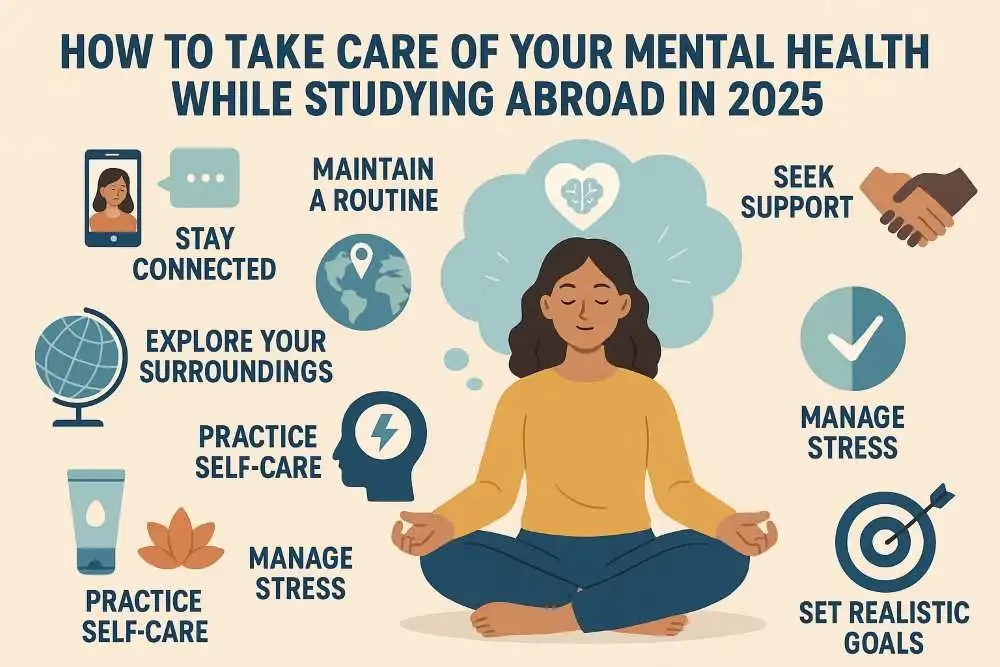
Studying abroad is an exciting experience, but it comes with unique challenges that can impact mental health. International students often face academic pressure, cultural differences, homesickness, language barriers, and social isolation. These challenges can lead to stress, anxiety, or depression if not managed properly. Knowing how to seek mental health support abroad is essential for maintaining well-being and achieving academic success.
Understanding Mental Health Challenges Abroad
International students may encounter a variety of mental health challenges. The stress of adjusting to a new education system, different teaching styles, and unfamiliar expectations can be overwhelming. Loneliness is common, especially for students living far from family and friends. Cultural shock and language difficulties can exacerbate feelings of anxiety or frustration. Recognizing these challenges is the first step in addressing them proactively.
Identifying Signs You Need Support
It is important to be aware of signs that indicate you may need mental health support. Persistent sadness, anxiety, difficulty concentrating, loss of interest in activities, changes in sleep or appetite, or feelings of hopelessness are all warning signs. Ignoring these symptoms can affect academic performance, social interactions, and overall well-being. Early recognition and seeking help are crucial for recovery and resilience.
University Mental Health Resources
Most universities abroad provide dedicated mental health services for students. These can include counseling centers, psychologists, therapists, and wellness programs. International students should familiarize themselves with available resources as soon as they arrive. Booking appointments, attending workshops, and participating in support groups can provide professional guidance and a safe space to express concerns.
Counseling and Therapy Options
Professional counseling or therapy helps students navigate personal, academic, or emotional challenges. Sessions can be individual, group-based, or even online. Many universities offer free or subsidized counseling for international students. Confidentiality is strictly maintained, so students can seek help without fear of stigma or academic repercussions. Counseling helps develop coping strategies, manage stress, and build resilience.
Peer Support Networks
Peer support networks are another valuable resource. Many universities have student-led groups or clubs focused on mental well-being. Talking to peers who share similar experiences can reduce feelings of isolation and provide practical advice for coping with cultural and academic challenges. Peer mentors or senior students can also guide newcomers through social and academic adaptation.
Hotlines and External Support Services
In addition to university resources, international students should be aware of local mental health hotlines, crisis centers, and non-governmental organizations that provide support. These services are often available 24/7 and can be a lifeline in urgent situations. Knowing how to access these services in advance ensures students are prepared if emergencies arise.
Maintaining Daily Mental Health Practices
Preventive measures are equally important. Maintaining a healthy routine with proper sleep, nutrition, and physical activity positively impacts mental health. Mindfulness practices, meditation, journaling, or engaging in hobbies can reduce stress levels. Regular social interactions with friends or cultural communities also provide emotional support and reduce feelings of isolation.
Managing Academic and Cultural Stress
Academic expectations and cultural differences can be major stressors. Time management, goal setting, and study planning help reduce academic pressure. Learning about local customs and cultural norms can ease social adaptation. Seeking guidance from academic advisors, professors, or mentors can provide additional support and reduce anxiety related to academic performance.
Overcoming Stigma Around Mental Health
In some cultures, mental health issues carry stigma, which can prevent students from seeking help. Understanding that mental health support is common and encouraged in most countries helps students overcome hesitation. Universities and student organizations actively promote mental health awareness to ensure students feel comfortable seeking assistance.
When to Seek Professional Help Immediately
Students should seek immediate professional help if they experience severe anxiety, panic attacks, self-harm thoughts, or other critical mental health issues. Early intervention is vital for safety and recovery. Universities, hotlines, and local healthcare providers can guide students to appropriate emergency care.
Final Thoughts
Seeking mental health support abroad is a vital part of international student life. Professional counseling, peer networks, preventive self-care, and awareness of local resources all contribute to maintaining emotional well-being. By prioritizing mental health, students can navigate academic challenges, cultural adaptation, and personal growth more effectively. Mental well-being is not a luxury; it is a necessity for a successful and fulfilling study abroad experience.