
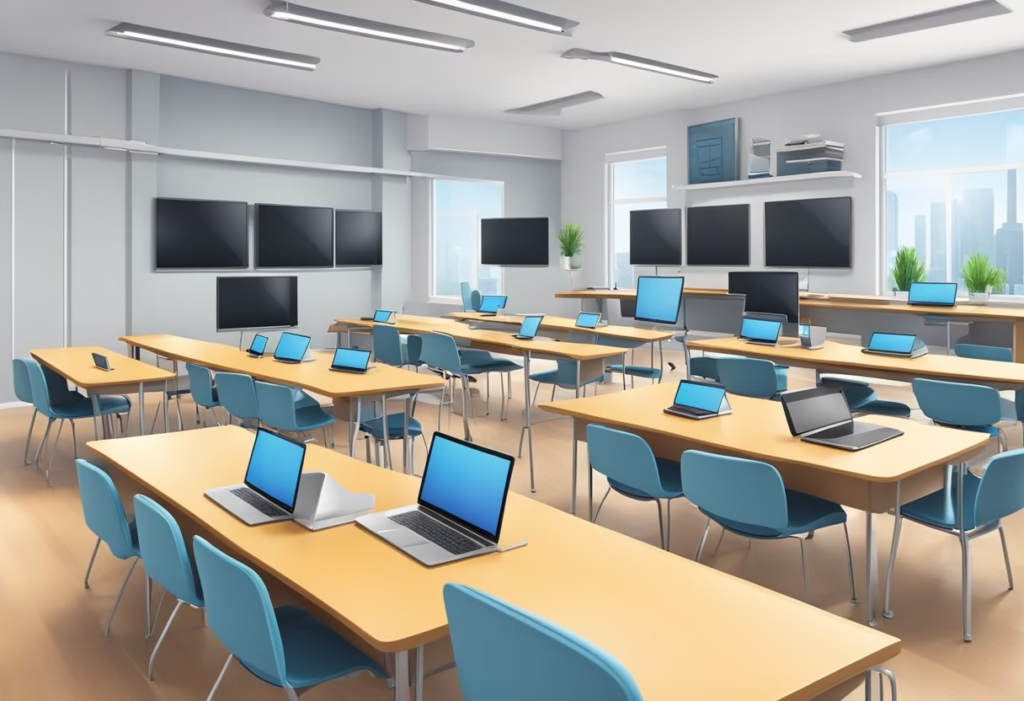
Classroom technology plays a central role in foreign education systems and often surprises international students during their initial weeks of study. Universities abroad rely heavily on digital tools to deliver lectures, manage coursework, track attendance, assess performance, and encourage collaboration. For students coming from more traditional or textbook-based systems, this technology-driven environment can feel overwhelming at first. Understanding how classroom technology works and learning to use it effectively is essential for academic success, smooth communication, and active participation in a foreign university.
The Role of Technology in Foreign Education Systems
Foreign universities integrate technology into almost every aspect of teaching and learning. Lectures may involve digital presentations, recorded sessions, live polls, or interactive discussions through online platforms. Assignments, grades, feedback, and announcements are usually managed digitally rather than on paper. Technology is not optional in these systems; it is a core part of how education is delivered and assessed. Students are expected to be comfortable using multiple platforms from the very beginning of their course.
Learning Management Systems and Their Importance
Learning Management Systems are the backbone of classroom technology abroad. These platforms act as a central hub where students access lecture slides, reading materials, assignments, quizzes, grades, and instructor announcements. Professors often assume that students regularly check these systems and stay updated without reminders. Missing information on these platforms can lead to missed deadlines or important updates. International students should explore the system thoroughly, understand its features, and enable notifications to stay informed.
Digital Lecture Tools and Smart Classrooms
Many classrooms abroad are equipped with smart boards, projectors, document cameras, and audio-visual systems. Professors may annotate slides digitally, display live data, or switch between multiple content sources during lectures. Some classes also involve live quizzes or instant feedback tools to check understanding. Students should familiarize themselves with these tools, as participation may involve responding through mobile devices or laptops during class sessions.
Online Submission and Assessment Systems
Assignments in foreign universities are almost always submitted online. These systems automatically record submission times and apply penalties for late submissions. There is little flexibility once deadlines pass. Students must understand file formats, naming conventions, plagiarism checks, and submission confirmation processes. Keeping digital copies and submission receipts is important in case of technical issues or disputes.
Classroom Communication Platforms
Communication between students and professors often happens through official digital channels rather than personal messages. Discussion boards, announcements, institutional email, and messaging features within learning platforms are commonly used. Students are expected to check these regularly and respond professionally. Informal communication styles or delayed responses may be viewed as unprofessional. Understanding communication etiquette within these platforms helps maintain positive academic relationships.
Note-Taking and Recording Tools
Many students use laptops or tablets for note-taking during lectures. Some universities allow lecture recordings, while others provide recorded sessions automatically. Students should understand institutional policies regarding recording lectures, as unauthorized recording may violate academic rules. Using digital note-taking tools effectively can help organize content, integrate lecture slides, and review material efficiently before exams.
Group Work and Collaboration Technology
Group projects are common in foreign education systems, and technology plays a key role in collaboration. Cloud-based tools allow students to work together in real time, share documents, track changes, and communicate efficiently. Understanding how to contribute fairly, manage shared files, and respect deadlines is crucial. Poor use of collaboration tools can lead to misunderstandings and affect group grades.
Attendance and Engagement Tracking Technology
Attendance abroad is often tracked digitally through classroom systems, online check-ins, or activity participation. Some universities measure engagement by monitoring logins, participation in online discussions, or completion of weekly tasks. Students should never assume that physical presence alone is enough. Understanding how attendance and engagement are recorded helps students stay compliant with academic and visa requirements.
Managing Technical Issues and Digital Responsibility
Technical problems can occur, but foreign universities expect students to plan ahead. Last-minute excuses due to device failure or internet issues are rarely accepted. Students should ensure they have reliable devices, updated software, secure backups, and stable internet access. Digital responsibility also includes protecting login credentials, avoiding academic misconduct online, and following data privacy rules.
Adapting to Continuous Technological Change
Technology in education evolves constantly. Universities may introduce new platforms, tools, or updates during the course. Students are expected to adapt quickly and learn independently. Attending orientation sessions, training workshops, and tech-support briefings can ease this transition. Asking for help early prevents confusion and academic stress later.
Final Thoughts
Classroom technology abroad is designed to enhance learning, collaboration, and efficiency, but it requires active adaptation from international students. Understanding how digital platforms work, staying organized, communicating professionally, and managing technical responsibilities are essential skills in foreign education systems. Students who embrace classroom technology rather than resist it gain greater control over their studies and position themselves for academic and professional success. Mastering these tools early allows students to focus less on logistics and more on learning and growth.