
Ayodhya Foreign Education Services

Blog

Your blog category

Study Abroad Myths You Should Stop Believing

Studying abroad is one of the most transformative experiences a student can have. It offers exposure to new cultures, global education systems, and life-changing career opportunities. Yet, despite all these benefits, many students in India still hesitate to take the leap mostly because of widespread myths and misconceptions. These myths often spread through hearsay, social media, or lack of proper information, preventing students from making informed decisions. This blog by Ayodhya Foreign Education aims to clear those doubts and bring you the truth about studying abroad. Let’s debunk some of the most common myths that hold students back and understand why studying overseas is more accessible and rewarding than most people think. Myth 1: Studying Abroad Is Only for the Rich One of the biggest misconceptions among students and parents is that only wealthy families can afford foreign education. While it’s true that studying abroad involves expenses like tuition, living costs, and travel, it’s equally true that there are plenty of scholarships, grants, and funding options available for deserving students. Many universities around the world, especially in countries like the UK, Canada, Australia, and Ireland, offer merit-based scholarships for international students. Governments also provide aid programs that help cover part of the cost. In addition, education loans from Indian banks and part-time job opportunities abroad can help you manage your expenses easily. So, with proper planning and financial guidance, studying abroad is not a privilege for the rich it’s an achievable goal for anyone willing to work for it. Myth 2: Admission in a Foreign University Is Too Difficult Many students assume that getting into a foreign university requires top grades or extraordinary achievements. The truth is, universities abroad look at more than just academics. They consider your overall profile, including your Statement of Purpose (SOP), recommendation letters, extracurricular activities, and motivation to study. Not every university demands extremely high grades. There are hundreds of reputable universities worldwide that welcome students with average or above-average marks. With proper application guidance, a well-written SOP, and a clear understanding of your career goals, your dream of studying abroad can absolutely become a reality. Myth 3: You Must Be Fluent in English Another common fear among students is that they need to be fluent in English to study abroad. However, most universities only require proof of English proficiency through tests like IELTS, TOEFL, PTE, or Duolingo. These exams are designed to check if you can understand and communicate effectively in an academic setting not if you speak perfect English. Moreover, once you move abroad, you’ll naturally improve your language skills through everyday conversations, classes, and interactions. Many universities even offer language support programs for international students during their first semester. So, don’t let language anxiety stop you from pursuing your global education goals. Myth 4: Foreign Degrees Aren’t Valued in India Some students worry that employers in India may not value foreign degrees. In reality, international education is seen as a major advantage by recruiters. A degree from a reputed global university signifies adaptability, independence, and exposure to international work cultures qualities that employers actively seek. Moreover, many multinational companies operating in India prefer candidates who understand global business trends and have studied in a cross-cultural environment. Whether you decide to return home or stay abroad, your degree will give you a strong professional edge. Myth 5: Studying Abroad Is Unsafe Safety is a genuine concern for parents, but modern universities prioritize international student welfare. Most universities have dedicated international student offices, emergency helplines, and campus security systems that ensure student safety. Additionally, cities popular with international students are usually very welcoming and well-monitored. Learning basic local safety tips, staying connected with university staff, and following official guidelines can ensure a completely safe experience abroad. Myth 6: It’s Hard to Make Friends Abroad Many students fear feeling lonely or isolated when they move to a new country. However, international campuses are some of the most diverse and inclusive environments you’ll find. There are student unions, clubs, and societies for every interest imaginable — from sports and arts to food and technology. Joining these groups helps you meet like-minded people from all over the world. Remember, every international student starts out feeling the same way so it doesn’t take long before friendships form naturally. Myth 7: Once You Go Abroad, You Can’t Return Home Another myth is that once students go abroad, they never return. While some choose to gain work experience abroad after graduation, many return to India with enhanced skills and international exposure that make them more employable. Whether you stay or come back depends on your career goals, not on where you study. In fact, many students return home to start their own ventures or contribute to industries with new ideas and global perspectives. Myth 8: Only STEM or Business Courses Are Worth Studying Abroad It’s a misconception that only fields like engineering, data science, or business management are valuable abroad. The truth is every field from design and media to psychology and environmental science has global demand. Choosing a course that aligns with your strengths and interests ensures better long-term success than following a “trending” subject. Final Thoughts Studying abroad opens up endless opportunities, but myths and misinformation often stop students from taking the first step. The reality is that with the right research, professional guidance, and determination, anyone can make their study abroad dream come true. At Ayodhya Foreign Education, we help students break through these myths by offering transparent information, expert counselling, and personalized support throughout their journey from choosing the right course to settling abroad confidently. Don’t let doubts or out dated beliefs hold you back. The world is waiting for you and your global journey starts with the right mind set.

Study Abroad Myths You Should Stop Believing Read More »

Step-by-Step Guide to SOP (Statement of Purpose)

When applying to study abroad, one of the most important documents in your application is the Statement of Purpose (SOP). It is not just an essay it’s your chance to tell universities who you are, what drives you, and why you are the right fit for their program. A well-written SOP can make your application stand out. Here’s a step-by-step guide to help you craft a strong and impressive SOP. Step 1: Understand the Purpose of an SOP The SOP is your personal story. It should explain: Step 2: Research the Program and Country Before writing, gather information about: This ensures your SOP looks personalized rather than generic. Step 3: Plan the Structure A typical SOP has 5–6 key sections: Step 4: Write in a Professional Tone Step 5: Add a Personal Touch Universities want to know your story. Instead of just listing achievements, explain what you learned from experiences and how they shaped your ambitions. Step 6: Keep It Concise and Error-Free Step 7: Customize for Each Application Never use the exact same SOP for every application. Tailor each one according to: Final Thoughts A strong SOP can greatly influence your chances of admission. It is your platform to express your vision, dedication, and readiness to study abroad. At Ayodhya Foreign Education, we guide students step by step in drafting personalized SOPs that reflect their goals and strengthen their applications. Need help writing a winning SOP? Contact us today for expert guidance.

Step-by-Step Guide to SOP (Statement of Purpose) Read More »

Making Friends in a Foreign Country – A Guide for Indian Students

Studying abroad is more than just lectures and assignments—it’s also about building new relationships and creating memories. For many Indian students, the thought of moving to a new country comes with excitement as well as nervousness: “Will I make friends there?” Don’t worry, every international student feel this way in the beginning. Here are some practical tips to make friends easily while studying abroad. 1. Be Open & Approachable 2. Join Student Clubs & Societies 3. Attend Orientation & Events 4. Embrace Cultural Exchange 5. Use Social Media & Apps 6. Be Consistent in Friendships 7. Step Out of Your Comfort Zone FAQs – Making Friends Abroad 1. Is it hard to make friends abroad?At first, it may feel challenging, but with an open attitude and effort, you’ll find friends easily. 2. Should I only make Indian friends abroad?Having Indian friends gives comfort, but mixing with locals and other internationals makes the experience richer. 3. What if I feel lonely abroad?Join clubs, attend events, talk to peers, and reach out for support everyone feels lonely at times, but it passes. Final Thoughts Making friends in a foreign country takes time, but it’s one of the most rewarding parts of studying abroad. By being open, respectful, and proactive, Indian students can create lifelong friendships across the world. At Ayodhya Foreign Education, we don’t just guide students with admissions and visas—we also prepare them for the social and cultural journey abroad. Planning your study abroad journey? Let us guide you every step of the way.

Making Friends in a Foreign Country – A Guide for Indian Students Read More »

Part-Time Jobs for International Students – A Complete Guide

For many Indian students, studying abroad is a dream- but it also comes with financial responsibilities. The good news is that most countries allow international students to work while studying. Part-time jobs not only help cover living expenses but also give valuable work experience. Here’s everything you need to know about part-time jobs as an international student. Benefits of Part-Time Jobs Popular Part-Time Jobs for International Students 1. On- Campus Jobs 2. Retail & Hospitality 3. Tutoring & Academic Support Tutoring school students or peers in your subject of strength. 4. Freelancing & Online Work 5. Delivery & Driving Jobs Food delivery (Uber Eats, Deliveroo, etc.). Rules & Work Hours Tips to Balance Work & Studies FAQs – Part-Time Jobs Abroad 1. Can international students work full-time?Usually during vacations, yes. But during study term, limits (like 20 hours/week) apply. 2. Do part-time jobs cover all expenses abroad?They help with living expenses but usually don’t cover full tuition fees. 3. Is it hard to find a job abroad as a student?No, but being proactive, networking, and applying early improves chances. Final Thoughts Part-time jobs are a great way for international students to ease financial pressure, gain experience, and adjust to life abroad. With smart planning, students can balance academics and work successfully. At Ayodhya Foreign Education, we guide students not only with admissions and visas but also with career and part-time job guidance abroad. Looking to start your study abroad journey? Contact us today for expert assistance.

Part-Time Jobs for International Students – A Complete Guide Read More »

How to Stay Safe Online as an International Student

For international students, the internet is a lifeline it connects you to your classes, family, friends, banking, shopping, and social life. But being in a new country also makes you more vulnerable to online scams, phishing, and identity theft.Learning how to stay safe online is just as important as adjusting to a new culture. This guide explains the most common online risks for students abroad and offers practical tips to keep your data and money secure. Why Online Safety Matters As an international student, you will often: Without proper precautions, these activities expose you to cyber-risks such as fraud, malware, and data breaches. 1. Recognize Common Online Threats Be aware of the most frequent dangers that target students: Knowing what to look out for is your first line of defense. 2. Use Strong, Unique Passwords 3. Avoid Public Wi-Fi for Sensitive Tasks 4. Keep Your Devices Secure 5. Protect Your Personal Information 6. Be Cautious with Online Payments 7. Report Suspicious Activity Immediately Final Thoughts Online safety is a crucial part of adjusting to life abroad. By following these practical steps recognizing scams, securing passwords, and being cautious with personal data you can focus on your studies without worrying about cyber-risks. For more guidance on preparing for your study-abroad journey from applications to living safely abroad – Ayodhya Foreign Education is here to support you.

How to Stay Safe Online as an International Student Read More »

Post-Study Work Opportunities in Different Countries

One of the biggest questions students have while planning to study abroad is: “What are my work opportunities after completing my course?” Post-study work rights are an important factor because they allow students to gain international experience, recover part of their education investment, and build global careers. Here’s an overview of post-study work opportunities in some of the most popular destinations for international students. United Kingdom (UK) United States (USA) Canada Australia New Zealand Germany Ireland Final Thoughts Post-study work opportunities vary by country, but they all provide valuable chances to gain international experience and enhance your career prospects. When choosing a study destination, consider not only the quality of education but also the work options available afterward. At Ayodhya Foreign Education, we guide students in selecting the right country based on their academic goals and career aspirations, including long-term opportunities after graduation. Looking to explore your post-study work options? Contact us for expert guidance today.

Post-Study Work Opportunities in Different Countries Read More »

Student Accommodation Hacks: Finding the Best Place Abroad

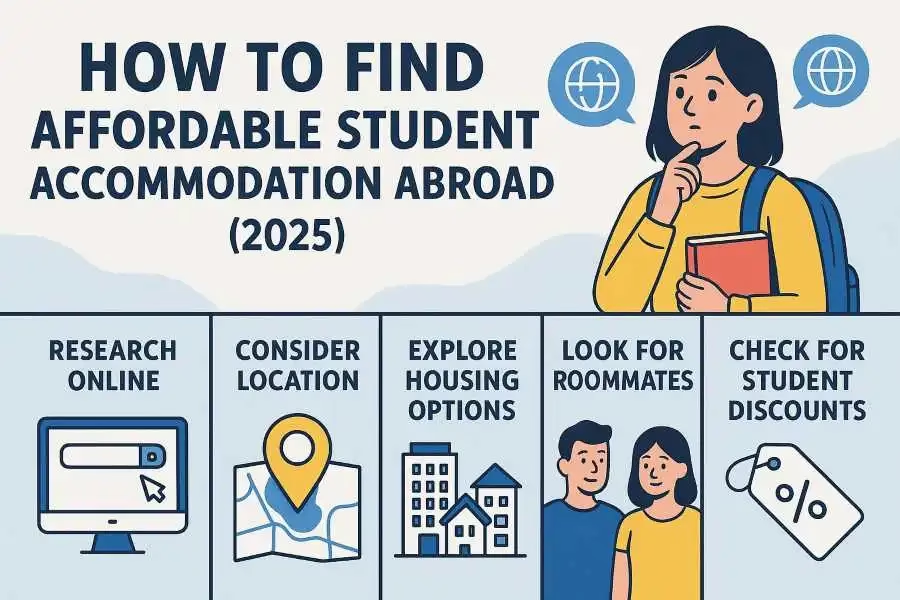
Student Accommodation Hacks– Looking for the perfect student accommodation abroad? Discover expert tips and hacks to find affordable, safe, and convenient housing as an international student. One of the biggest decisions international students face after securing admission is where to live. The right accommodation can make your study abroad experience comfortable and stress-free, while a bad one can turn it into a daily struggle. Finding suitable student housing abroad doesn’t have to be overwhelming. With a few smart strategies, you can save money, stay safe, and feel right at home from day one. Here are some essential hacks to help you find the best student accommodation abroad in 2025 1. Start Searching Early The best student accommodations get booked months in advance especially near popular universities. As soon as you receive your offer letter or visa approval, start exploring your options. Search on trusted platforms like: Tip: If your university offers guaranteed on-campus housing, apply immediately. Demand is usually high! 2. Understand the Types of Accommodation Before making a decision, learn about the common types of student housing abroad: Tip: Balance comfort and convenience with cost — you’ll spend most of your time studying or exploring anyway 3. Consider Location Wisely Living close to your university saves time and transport costs. However, places near city centres or campuses tend to be pricier. Smart Hack:Look for areas within a 20–30 minute commute. Public transport passes can make slightly farther locations much cheaper without much hassle. Use apps like Google Maps or City mapper to check commute times and transport options before finalizing. 4. Always check what’s included in the Rent Rent prices can be misleading if you don’t know what’s included. Ask your landlord or agent about: Tip: Some student accommodations offer all-inclusive rent, which simplifies budgeting. 5. Read Reviews and Talk to seniors Never rely only on pictures. Before paying a deposit, read student reviews on websites and social media. Join Facebook or Reddit groups for your university current students often share honest feedback about local housing options. You can even reach out to Indian student communities abroad they’re usually very helpful in guiding new students. 6. Be Aware of Rental Scams Unfortunately, student housing scams are common in popular destinations. Be cautious if: Tip: Always use verified websites or agents recommended by your university. Avoid paying any deposit before viewing the place or signing an official agreement. 7. Consider Shared Accommodation to Save Money Sharing a flat or apartment with other students can significantly reduce your rent and bills. Plus, it’s a great way to make new friends and learn from different cultures. Use apps like Spare Room, Roomster, or Facebook Marketplace to find reliable roommates. 8. Inspect Before You Move In If possible, visit the accommodation in person or request a virtual tour. Check: Tip: Take pictures of the property before moving in — it’ll help if there’s any dispute when moving out. 9. Understand Your Rental Agreement Before signing, carefully read the contract. Look for: Tip: Most universities offer a student legal advice centre consults them before signing anything. 10. Balance Comfort and Budget Your accommodation should be a balance of comfort, safety, and affordability. While it’s tempting to choose a fancy apartment, remember that your main goal is education and personal growth. Sometimes, choosing a slightly smaller or shared room in a good location can be smarter financially especially during your first year abroad. Final Thoughts Finding the right accommodation abroad takes effort, but it’s worth it. A comfortable and secure living space allows you to focus on what truly matters your studies and experiences. At Ayodhya Foreign Education, we help students not only with admissions and visas but also with pre-departure support, including accommodation guidance. Because your study abroad journey begins the moment you find your new home away from home.

Student Accommodation Hacks: Finding the Best Place Abroad Read More »

Affordable Study Destinations in Europe for Indian Students

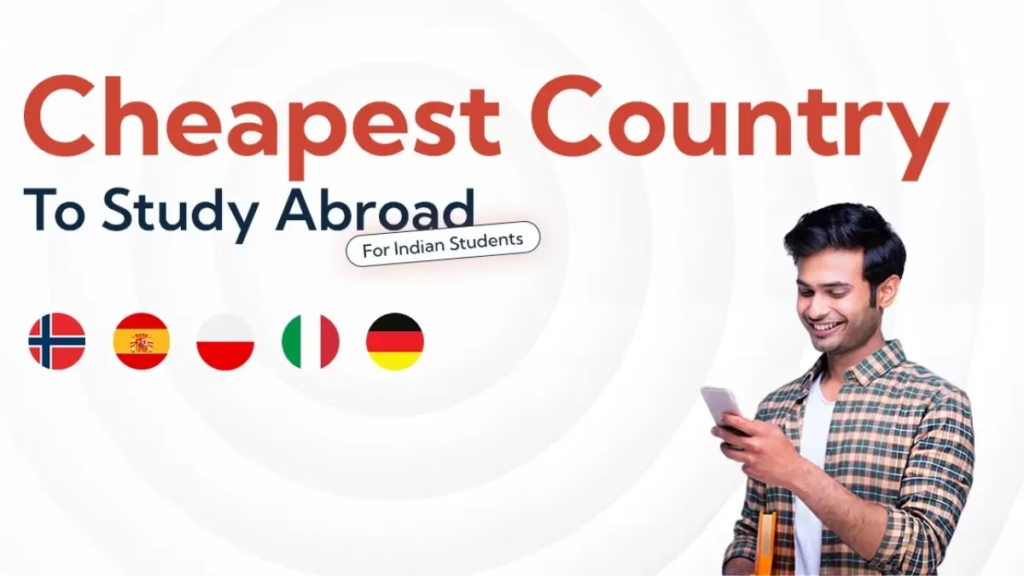
Europe has always been a dream destination for Indian students. With its rich culture, globally recognized education system, and diverse career opportunities, studying in Europe is a life-changing experience. However, many students worry about the cost of education abroad. The good news is that several European countries offer high-quality education at an affordable cost. In this blog, let’s explore some of the most budget-friendly study destinations in Europe. 1. Germany Germany is widely known for its affordable or even tuition-free education in public institutions. Students only need to cover minimal administrative fees and living costs, making it one of the best options for budget-conscious students. Why Germany? 2. Poland Poland has become increasingly popular among international students due to its low tuition fees and affordable cost of living. Cities like Warsaw and Krakow offer a vibrant student life at a fraction of the cost compared to Western Europe. Why Poland? 3. France While Paris can be expensive, other French cities offer affordable living and reasonable tuition fees. France is also known for scholarships for international students, which significantly reduce overall expenses. Why France? 4. Spain Spain combines affordable tuition with a lively student culture. The cost of living is lower compared to many Western European countries, and the warm climate makes it an attractive destination for students. Why Spain? 5. Italy Italy offers internationally respected programs in various fields at reasonable tuition fees. The cost of living depends on the city, but overall it remains one of the more affordable options in Europe. Why Italy? Average Living Costs in Europe On average, international students in affordable European destinations spend EUR 600 – 1,000 per month depending on lifestyle and city. Tips for Reducing Costs Final Thoughts Studying in Europe doesn’t always have to be expensive. Countries like Germany, Poland, France, Spain, and Italy offer high-quality education at reasonable costs, making them excellent choices for Indian students. At Ayodhya Foreign Education, we help students identify the best study destination in Europe that suits their budget and career goals. Thinking about Europe for your studies? Contact us today for expert guidance.

Affordable Study Destinations in Europe for Indian Students Read More »

Packing Checklist for Studying Abroad: What Indian Students Must Carry

One of the most exciting parts of studying abroad is preparing for your journey. But packing can quickly become overwhelming – what should you take, what can you buy there, and what’s absolutely essential? To help you avoid last-minute stress, here’s a complete packing checklist for international students. 1. Essential Documents Always carry your important documents in your hand luggage, not checked baggage. 2. Finances & Banking 3. Clothing & Accessories Weather varies greatly across countries, so pack accordingly. 4. Toiletries & Personal Care 5. Electronics & Gadgets 6. Kitchen Essentials (Optional but Useful) Many students prefer carrying a few items from home to save initial expenses. 7. Academic Supplies 8. Miscellaneous Items Packing Tips for Students Final ThoughtsPacking for your study-abroad journey doesn’t have to be stressful. With a clear checklist, you’ll have everything you need to settle smoothly in your new home. At Ayodhya Foreign Education, we guide students not just with admissions and visas but also with practical tips like packing, accommodation, and living abroad.Planning to study abroad? Get in touch with us today for end-to-end guidance.

Packing Checklist for Studying Abroad: What Indian Students Must Carry Read More »

How to Choose the Right Course for Studying Abroad

Choosing the right course is one of the most important steps in your study-abroad journey. The program you select will shape your career path, determine your job opportunities, and influence your experience in a new country. With thousands of courses and specializations available worldwide, making this decision can feel overwhelming. This guide will help you understand the key factors to consider before finalizing your course. Why Choosing the Right Course Matters Your course is more than just a degree – it’s the foundation of your future career. The right choice will: Making the wrong choice could lead to stress, extra expenses, or even changing courses midway, which can be both time-consuming and costly. 1. Assess Your Interests and Strengths Start by reflecting on your passions: For example, if you love problem-solving and technology, programs like Computer Science, Data Analytics, or Cyber security may suit you. If you are drawn to global markets and leadership, consider International Business or MBA programs. 2. Define Your Career Goals Think about your long-term plans: Some careers require specific degrees (like Nursing or Architecture), while others value transferable skills (like Marketing, Management, or IT). 3. Research In-Demand Courses Look at global trends to identify which fields are growing. For 2025 and beyond, popular study-abroad courses include: Choosing an in-demand course increases your chances of securing a high-paying job after graduation. 4. Understand Admission Requirements Each course has its own entry criteria: Check if your current qualifications meet the requirements to avoid delays or rejections. 5. Evaluate Tuition Fees and Living Costs While selecting a course, consider your budget: 6. Consider Course Duration Some countries offer accelerated programs that can save time and money. For example: A shorter course can mean lower living expenses and an earlier start to your career. 7. Research Job Opportunities and Post-Study Work Options Your choice of course should also align with countries that provide good job prospects. Check: 8. Seek Professional Guidance Consulting with experienced study-abroad advisors like Ayodhya Foreign Education services can make this process easier. Experts can help you shortlist courses based on your profile, career aspirations, and budget. Quick Tips for Shortlisting Your Course Final Thoughts Selecting the right course abroad is a big decision that requires research, self-reflection, and planning. When you align your course with your interests, career goals, and global trends, you set yourself up for long-term success. Need help finding your perfect course? Ayodhya Foreign Education is here to guide you every step of the way from choosing the course to securing your admission.

How to Choose the Right Course for Studying Abroad Read More »

Scroll to Top