
Ayodhya Foreign Education Services

Author name: ayodhya

How to Use Online Learning Platforms in Foreign Universities

Online learning platforms are now a core part of education in foreign universities. Even students enrolled in on-campus programs rely heavily on digital platforms for lectures, assignments, exams, communication, and academic resources. For international students, adapting to these platforms can feel overwhelming at first due to unfamiliar systems, teaching styles, and technical expectations. Learning how to use online learning platforms effectively is essential for academic success abroad. What Are Online Learning Platforms Online learning platforms are digital systems used by universities to manage teaching and learning activities. These platforms act as a central hub where students access course materials, recorded lectures, assignments, grades, announcements, and communication tools. Professors use them to share content and evaluate performance, while students use them to track academic progress and stay connected with faculty and peers. Common Types of Platforms Used Abroad Foreign universities use a mix of learning management systems and specialized tools. Learning management systems handle most academic tasks, while additional platforms may be used for video lectures, group collaboration, coding labs, or assessments. Some universities integrate multiple tools into one dashboard, while others require students to manage several platforms simultaneously. Understanding how these systems work together is important to avoid missing deadlines or information. Getting Started as a New Student After enrolment, universities usually provide login credentials and orientation materials for online platforms. Students should activate their accounts immediately and explore the interface. Important sections to locate early include course pages, assignment submission areas, discussion forums, grade books, and notification settings. Many universities offer tutorials or demo courses to help students become familiar with the system. Accessing Lectures and Study Materials Most course content is uploaded to the platform in advance or weekly. Lectures may be live, recorded, or both. Study materials such as slides, reading lists, videos, and practice quizzes are usually organized by week or topic. Students should develop a habit of checking the platform daily to stay updated. Downloading materials in advance helps in case of internet issues. Submitting Assignments and Projects Assignments are submitted digitally through online platforms. Each submission includes clear instructions, deadlines, and file format requirements. Late submissions may be automatically blocked or penalized, so time management is crucial. Students should always confirm successful submission by checking confirmation messages or uploaded files. Keeping backup copies of submissions is strongly recommended. Participating in Online Discussions Discussion boards and forums are widely used in foreign universities as part of assessment or participation marks. Students are expected to post thoughtful responses, reply to peers, and engage respectfully. These discussions help develop critical thinking and communication skills. Understanding discussion guidelines and academic tone is important to avoid plagiarism or inappropriate content. Online Exams and Assessments Many universities conduct quizzes, midterms, and even final exams online. These may be timed, open-book, or monitored using online proctoring tools. Students should test their devices, internet connection, and browser compatibility in advance. Reading exam instructions carefully is essential, as violations of online exam rules can lead to serious academic penalties. Using Collaboration Tools for Group Work Group projects often rely on built-in collaboration tools such as shared documents, virtual meeting rooms, and messaging features. Students from different cultures and time zones may work together, making clear communication and scheduling important. Online platforms help track contributions and deadlines, ensuring fair participation in group assignments. Tracking Grades and Feedback Grades and feedback are usually posted directly on the platform. Students can view scores, instructor comments, and grading rubrics. Reviewing feedback regularly helps identify areas for improvement. If there are concerns about grades, platforms often provide official channels to contact instructors or request clarification. Managing Notifications and Deadlines Online learning platforms send notifications for announcements, deadlines, and messages. Students should customize notification settings to receive timely alerts via email or app notifications. Using the built-in calendar feature helps track assignment due dates, exams, and academic events, reducing the risk of missing important deadlines. Academic Integrity and Platform Rules Foreign universities take academic integrity very seriously. Online platforms include plagiarism detection, exam monitoring, and activity tracking tools. Students must follow rules related to originality, collaboration, and exam conduct. Understanding these rules protects students from unintentional violations that could affect academic records. Getting Technical Support Universities provide technical support services for online learning platforms. If students face login issues, submission errors, or system crashes, they should contact IT support immediately and keep proof of the issue. Reporting problems early helps avoid penalties due to technical difficulties. Adapting to Digital Learning Culture Online learning abroad emphasizes independence, self-discipline, and proactive communication. Professors may not remind students repeatedly about deadlines, expecting them to manage their responsibilities. Developing digital literacy and time management skills is key to succeeding in this environment. Final Thoughts Online learning platforms are not just tools but an essential part of the foreign education experience. International students who learn to navigate these platforms confidently gain better control over their academics, communication, and progress. By exploring features early, staying organized, following academic rules, and seeking help when needed, students can turn online platforms into powerful allies for success abroad.

How to Use Online Learning Platforms in Foreign Universities Read More »

How to Request Academic Extensions and Special Consideration Abroad

Studying abroad comes with exciting opportunities, but it also brings academic pressure, cultural adjustment, and unexpected challenges. Many international students assume that requesting an academic extension or special consideration is seen as a weakness or may negatively affect their academic record. In reality, most foreign universities have structured policies that support students during genuine difficulties. Understanding how to request academic extensions and special consideration correctly can protect your grades, mental health, and academic progress. What Are Academic Extensions and Special Consideration An academic extension allows students extra time to submit assignments, projects, or coursework beyond the original deadline. Special consideration refers to formal academic adjustments given when circumstances beyond a student’s control affect their performance. These may include deadline extensions, rescheduled exams, alternative assessments, or grading flexibility. Universities offer these options to ensure fairness, not to penalize students facing genuine difficulties. Common Reasons Universities Approve Extensions Universities abroad recognize several valid reasons for academic extensions and special consideration. These include medical issues, mental health concerns, family emergencies, bereavement, accidents, visa or immigration issues, sudden accommodation problems, or significant personal crises. Academic workload alone is usually not accepted, but when combined with documented stress or health issues, it may be considered. Each institution has clear guidelines on acceptable reasons. Understanding University Policies before Applying Every university publishes policies outlining how extensions and special consideration work. These policies explain eligibility, deadlines for requests, required documents, and possible outcomes. International students must read these policies carefully because rules vary by country and institution. Some universities require applications within a specific time frame, often before or shortly after the assessment deadline. Missing this window may lead to rejection even if the reason is valid. When You Should Request an Extension Timing is extremely important. Students should request an extension as soon as they realize they may not meet the deadline. Waiting until after the deadline or exam reduces approval chances. If the issue arises suddenly, such as illness or emergency, students should apply immediately once they are able. Early communication shows responsibility and professionalism. How to Write a Strong Extension Request A clear and honest explanation is essential. Students should briefly explain the situation without unnecessary details. The request should focus on how the issue has affected academic performance, not emotional appeals. Polite language, a respectful tone, and clear mention of the assessment details are important. Requests should always follow the university’s official process rather than informal emails unless specified otherwise. Supporting Documents Required Most universities require evidence to approve academic extensions or special consideration. This may include medical certificates, hospital records, counsellor letters, police reports, or official documents related to emergencies. Documents must usually be in English or officially translated. Submitting incomplete or invalid documentation is one of the most common reasons for rejection. Who to Contact for Help International students are not expected to navigate this process alone. Academic advisors, course coordinators, international student offices, and student support services are available to guide students. These teams can explain procedures, review requests, and help gather the correct documentation. Reaching out early can prevent mistakes and reduce stress. What Happens After You Apply Once submitted, the university reviews the request based on policy and evidence. Approval may result in an extended deadline, alternative assessment, or deferred exam. In some cases, partial consideration may be granted. If a request is rejected, students usually have the right to appeal, provided they follow appeal procedures within the given timeframe. Common Mistakes Students Make Many students avoid applying due to fear or misunderstanding. Others apply too late, provide weak documentation, or use informal communication channels. Some students exaggerate situations, which can damage credibility. Another common mistake is assuming lecturers automatically grant extensions without formal approval. Avoiding these errors increases the chance of success. Cultural Differences in Academic Support In many foreign education systems, student welfare is taken seriously, and requesting support is encouraged. Unlike some systems where extensions are discouraged, universities abroad often prioritize fairness and mental well-being. Understanding this cultural difference helps international students feel more confident about asking for help when needed. Long-Term Academic Impact Requesting an academic extension or special consideration does not negatively affect transcripts in most cases. Universities keep these records confidential and separate from academic results. Properly using available support ensures students maintain academic standards and avoid unnecessary failures that could impact future opportunities. Final Thoughts Academic extensions and special consideration exist to support students during genuine difficulties, not to punish them. International students, who understand university policies, act early, communicate honestly, and provide proper documentation can protect their academic journey during challenging times. Seeking help is a sign of responsibility, not weakness. Knowing your options and using them correctly allows you to focus on learning, growth, and long-term success abroad.

How to Request Academic Extensions and Special Consideration Abroad Read More »

Preparing for Professional Licensing Exams Abroad

For many international students, earning a degree abroad is only one part of the journey. In professions such as healthcare, engineering, law, accounting, architecture, teaching, and finance, graduates must clear professional licensing exams before they can legally work in their chosen field. These exams are often country-specific, highly regulated, and academically demanding. Proper preparation, early planning, and a clear understanding of the process are essential for success. Understanding What Professional Licensing Exams Are Professional licensing exams are standardized assessments conducted by regulatory bodies to ensure that candidates meet the professional, ethical, and technical standards required to practice in a specific country. Unlike university exams, licensing exams focus on practical knowledge, professional judgment, and real-world application. Passing these exams is mandatory to obtain certification, registration, or professional membership. Identifying Licensing Requirements Early One of the most common mistakes international students make is learning about licensing requirements too late. Each country has different rules depending on the profession. Some require exams immediately after graduation, while others require supervised work experience first. Students should research licensing requirements as soon as they choose their course and destination country. Early awareness helps align academic choices with professional goals. Checking Eligibility for International Graduates Not all foreign degrees are automatically accepted for licensing exams. Some regulatory bodies require credential evaluation to confirm whether an international qualification meets local standards. This process may involve transcript assessment, syllabus comparison, or additional bridge courses. Understanding eligibility criteria early prevents delays and disappointment after graduation. Understanding Exam Structure and Format Professional licensing exams abroad vary widely in format. Some are computer-based multiple-choice exams, while others include written tests, oral interviews, practical assessments, or case studies. Many exams are conducted in multiple stages. Knowing the structure, scoring system, and passing criteria helps students prepare strategically rather than relying on general study methods. Planning a Realistic Study Timeline Licensing exams are usually more intensive than university exams and require months of preparation. Students should create a realistic study plan that accounts for exam dates, registration deadlines, work commitments, and visa timelines. Starting early allows time for revision, mock exams, and identifying weak areas without unnecessary pressure. Using Official Study Resources Most licensing authorities provide official syllabi, sample questions, exam guides, and reference materials. These resources should be the foundation of exam preparation. Relying solely on unofficial materials or online summaries can lead to gaps in understanding. Official resources reflect the actual exam pattern and expectations. Joining Preparation Courses and Study Groups Many students benefit from enrolling in exam preparation courses offered by authorized institutions or professional bodies. These courses provide structured guidance, expert instruction, and exam-focused strategies. Study groups with peers preparing for the same exam can also be highly effective. Group discussions help clarify complex topics and maintain motivation. Improving Language and Professional Communication Skills For international students, language proficiency plays a major role in licensing exams. Even if exams are technical, they often test comprehension, professional terminology, and scenario-based reasoning. Improving language skills, especially in professional contexts, enhances exam performance and confidence. Practicing mock exams in the exam language is especially helpful. Managing Financial Costs of Licensing Exams Professional licensing exams can be expensive. Costs may include exam fees, credential evaluations, preparation courses, study materials, and re-examination fees if needed. Students should plan finances carefully and budget for all stages of the licensing process. Some employers or government programs may offer financial support, which students should explore early. Balancing Exam Preparation with Visa and Work Rules International students must also consider visa conditions while preparing for licensing exams. Some visas allow limited work hours or require course completion before exam attempts. Understanding how exam preparation fits within visa regulations is critical to staying legally compliant while focusing on career goals. Handling Exam Stress and Mental Pressure Licensing exams carry high stakes, which can cause anxiety and stress. Managing mental health is just as important as academic preparation. Maintaining a healthy routine, taking breaks, seeking support from peers or mentors, and using stress-management techniques helps sustain long-term focus and performance. Planning for Reattempts and Alternative Pathways Not all students pass licensing exams on the first attempt, and that is not uncommon. Understanding reattempt policies, waiting periods, and score validity reduces fear of failure. Students should also explore alternative pathways such as provisional licenses, supervised practice, or related roles that allow career progression while preparing again. Aligning Licensing Exams with Long-Term Career Goals Professional licensing should be viewed as part of a long-term career plan. Students should consider where they want to work, whether licenses are transferable across countries, and how licensing affects future mobility. Strategic planning ensures that exam efforts align with broader professional ambitions. Final Thoughts Preparing for professional licensing exams abroad is a demanding but essential step for international students aiming to build successful careers overseas. Early research, structured preparation, financial planning, and mental resilience are key to navigating the process smoothly. With the right approach and consistent effort, licensing exams become not just a hurdle, but a gateway to professional recognition, career stability, and global opportunities.

Preparing for Professional Licensing Exams Abroad Read More »

Tips for Safe Night Travel and Commuting Abroad

Traveling at night while studying abroad can be necessary for classes, part-time jobs, social events, or internships. However, international students may face unfamiliar routes, cultural differences, or safety risks when commuting after dark. Being aware, prepared, and cautious is essential for personal safety and peace of mind. Following practical tips ensures students can navigate their new environment confidently without compromising their well-being. Plan Your Route in Advance Before heading out at night, always plan your route. Use reliable navigation apps, university transport maps, or local transit schedules to identify the safest paths. Avoid shortcuts through poorly lit streets, isolated areas, or neighbourhoods with high crime rates. Knowing alternative routes in advance also helps if your primary option is unavailable due to delays or cancellations. Use Trusted Transportation Options When commuting at night, stick to trusted transportation methods. Public transit, licensed taxis, and ride-sharing services are generally safer than unregulated options. If using ride-sharing apps, confirm the driver’s identity, vehicle registration, and route before starting your trip. For public transportation, familiarize yourself with schedules to avoid long waits at stations or stops after dark. Travel in Groups Whenever Possible There is safety in numbers. Traveling with friends or classmates reduces vulnerability and provides mutual support. If traveling alone, inform a friend or family member of your expected arrival time and route. Some universities offer night shuttle services or escort programs for students, which can be an added layer of safety. Stay Alert and Minimize Distractions Being aware of your surroundings is crucial. Avoid distractions such as headphones at high volume or excessive phone use while walking or commuting. Keep valuables secure and avoid displaying expensive electronics or cash openly. Staying alert allows you to react quickly to unexpected situations and maintain personal safety. Follow Local Safety Guidelines Every country and city has specific safety norms. Learn local laws, transit regulations, and emergency contact numbers. Pay attention to cultural expectations regarding travel at night, such as restricted areas, curfews, or gender-specific precautions. Understanding local norms reduces risk and ensures respectful behavior in the host country. Use Well-Lit and Populated Routes Always choose routes that are well-lit and frequented by other pedestrians or vehicles. Avoid alleyways, parks, or deserted streets, especially in unfamiliar areas. Visibility reduces the risk of accidents and deters potential threats. Using streets with active businesses, streetlights, and security cameras adds an extra layer of protection. Trust Your Instincts Intuition is an important tool for safety. If a route, vehicle, or situation feels unsafe, change your plan immediately. Do not ignore warning signs or feelings of unease. Seeking help from nearby stores, security personnel, or fellow pedestrians is always preferable to taking unnecessary risks. Keep Emergency Contacts Handy Before commuting at night, have local emergency numbers, university security contacts, and trusted friends’ phone numbers readily available. Save these contacts on your phone and carry a small written copy as a backup. Knowing who to call in case of an emergency can make a significant difference in response time and outcomes. Limit Night Travel When Possible While sometimes unavoidable, consider adjusting schedules to minimize night travel. Group classes, study sessions, or work shifts to align with daylight hours. If night travel is necessary, combine trips with multiple errands to reduce exposure and transit frequency. Use Safety Apps and Technology Many mobile apps provide safety features like location sharing, emergency alerts, or quick access to authorities. Universities often recommend apps designed for students that track location, send alerts, and connect to campus security. Leveraging technology enhances safety and reassurance during night commutes. Final Thoughts Safe night travel and commuting abroad require awareness, planning, and caution. By using trusted transportation, staying alert, traveling in groups, and following local safety guidelines, international students can minimize risks and maintain personal security. Prioritizing safety allows students to focus on academics, work, and social activities while confidently navigating their new environment. Being prepared is the key to enjoying the freedom and independence that studying abroad offers.

Tips for Safe Night Travel and Commuting Abroad Read More »

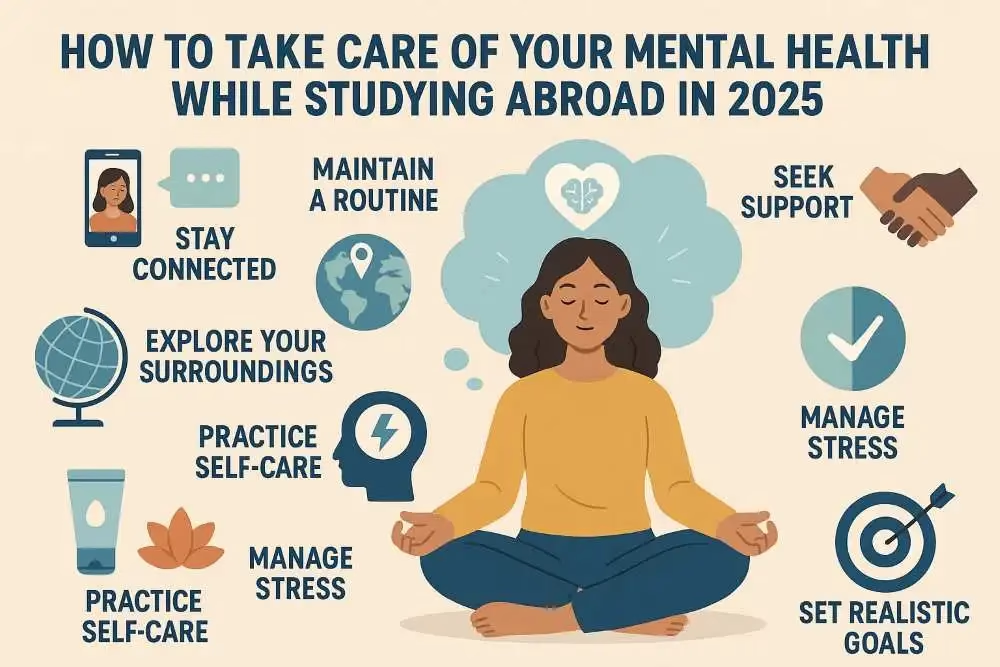
How to Seek Mental Health Support Abroad

Studying abroad is an exciting experience, but it comes with unique challenges that can impact mental health. International students often face academic pressure, cultural differences, homesickness, language barriers, and social isolation. These challenges can lead to stress, anxiety, or depression if not managed properly. Knowing how to seek mental health support abroad is essential for maintaining well-being and achieving academic success. Understanding Mental Health Challenges Abroad International students may encounter a variety of mental health challenges. The stress of adjusting to a new education system, different teaching styles, and unfamiliar expectations can be overwhelming. Loneliness is common, especially for students living far from family and friends. Cultural shock and language difficulties can exacerbate feelings of anxiety or frustration. Recognizing these challenges is the first step in addressing them proactively. Identifying Signs You Need Support It is important to be aware of signs that indicate you may need mental health support. Persistent sadness, anxiety, difficulty concentrating, loss of interest in activities, changes in sleep or appetite, or feelings of hopelessness are all warning signs. Ignoring these symptoms can affect academic performance, social interactions, and overall well-being. Early recognition and seeking help are crucial for recovery and resilience. University Mental Health Resources Most universities abroad provide dedicated mental health services for students. These can include counseling centers, psychologists, therapists, and wellness programs. International students should familiarize themselves with available resources as soon as they arrive. Booking appointments, attending workshops, and participating in support groups can provide professional guidance and a safe space to express concerns. Counseling and Therapy Options Professional counseling or therapy helps students navigate personal, academic, or emotional challenges. Sessions can be individual, group-based, or even online. Many universities offer free or subsidized counseling for international students. Confidentiality is strictly maintained, so students can seek help without fear of stigma or academic repercussions. Counseling helps develop coping strategies, manage stress, and build resilience. Peer Support Networks Peer support networks are another valuable resource. Many universities have student-led groups or clubs focused on mental well-being. Talking to peers who share similar experiences can reduce feelings of isolation and provide practical advice for coping with cultural and academic challenges. Peer mentors or senior students can also guide newcomers through social and academic adaptation. Hotlines and External Support Services In addition to university resources, international students should be aware of local mental health hotlines, crisis centers, and non-governmental organizations that provide support. These services are often available 24/7 and can be a lifeline in urgent situations. Knowing how to access these services in advance ensures students are prepared if emergencies arise. Maintaining Daily Mental Health Practices Preventive measures are equally important. Maintaining a healthy routine with proper sleep, nutrition, and physical activity positively impacts mental health. Mindfulness practices, meditation, journaling, or engaging in hobbies can reduce stress levels. Regular social interactions with friends or cultural communities also provide emotional support and reduce feelings of isolation. Managing Academic and Cultural Stress Academic expectations and cultural differences can be major stressors. Time management, goal setting, and study planning help reduce academic pressure. Learning about local customs and cultural norms can ease social adaptation. Seeking guidance from academic advisors, professors, or mentors can provide additional support and reduce anxiety related to academic performance. Overcoming Stigma Around Mental Health In some cultures, mental health issues carry stigma, which can prevent students from seeking help. Understanding that mental health support is common and encouraged in most countries helps students overcome hesitation. Universities and student organizations actively promote mental health awareness to ensure students feel comfortable seeking assistance. When to Seek Professional Help Immediately Students should seek immediate professional help if they experience severe anxiety, panic attacks, self-harm thoughts, or other critical mental health issues. Early intervention is vital for safety and recovery. Universities, hotlines, and local healthcare providers can guide students to appropriate emergency care. Final Thoughts Seeking mental health support abroad is a vital part of international student life. Professional counseling, peer networks, preventive self-care, and awareness of local resources all contribute to maintaining emotional well-being. By prioritizing mental health, students can navigate academic challenges, cultural adaptation, and personal growth more effectively. Mental well-being is not a luxury; it is a necessity for a successful and fulfilling study abroad experience.

How to Seek Mental Health Support Abroad Read More »

Understanding Work Contracts and Employment Rights after Graduation

After graduation, many international students aim to gain work experience abroad, either through post-study work visas or employer-sponsored roles. While securing a job is an important milestone, understanding work contracts and employment rights is equally critical. Many graduates sign contracts without fully understanding the terms, which can later lead to workplace stress, legal issues, or even visa complications. Knowing your rights and responsibilities helps you protect yourself, make informed decisions, and build a stable professional life after studying abroad. Why Understanding Work Contracts Is Important for International Graduates Work contracts abroad are legally binding documents. Once signed, you are expected to follow all terms mentioned, regardless of whether you fully understood them or not. Employers are also bound by these contracts, but misunderstandings often arise because international graduates are unfamiliar with local labour laws. A clear understanding of your contract ensures fair treatment, protects your income, and safeguards your immigration status. Types of Employment Contracts after Graduation After graduation, international students may receive different types of work contracts. Permanent contracts usually offer long-term employment with benefits such as paid leave, health insurance, and job security. Fixed-term contracts are for a specific duration and may be linked to projects or visa validity. Part-time and casual contracts offer flexible hours but fewer benefits. Internship or trainee contracts are often short-term and focus on skill development. Understanding which type of contract you are signing helps you set realistic expectations. Key Elements of a Work Contract You Must Review Every work contract contains essential clauses that must be carefully reviewed. Job title and responsibilities define what is expected from you professionally. Working hours specify weekly schedules and overtime rules. Salary details include gross pay, payment frequency, tax deductions, and bonuses if applicable. Contract duration and notice period explain how long the job lasts and how termination works. Location of work, probation period, and performance expectations are also important sections that should never be overlooked. Understanding Salary, Taxes, and Payslips Many international graduates misunderstand salary structures abroad. Salaries are usually quoted as gross income, meaning taxes and social contributions will be deducted. Payslips provide a breakdown of earnings and deductions and should be reviewed regularly. Understanding how income tax, pension contributions, and health insurance deductions work helps avoid confusion and financial stress. Employers are legally required to provide payslips and pay at least the minimum wage set by law. Working Hours, Overtime, and Leave Entitlements Employment laws abroad strictly regulate working hours. Most countries define standard working hours per week and rules for overtime compensation. Employees are entitled to paid annual leave, public holidays, and sick leave. International graduates should ensure that leave entitlements are clearly stated in the contract. Employers cannot force unpaid overtime or deny legally mandated leave. Employment Rights Every International Graduate Has International graduates have the same basic employment rights as local employees. These include the right to fair pay, safe working conditions, protection from discrimination, and freedom from harassment. Employers cannot exploit workers based on visa status or nationality. Labour laws protect employees against unfair dismissal, wage theft, and workplace abuse. Knowing these rights empowers graduates to speak up when treated unfairly. Understanding Probation Periods Many contracts include a probation period during which performance is evaluated. During probation, notice periods may be shorter, and termination rules may differ. However, probation does not mean loss of basic employment rights. Employers must still follow labour laws, pay salaries on time, and provide safe working conditions. Understanding probation terms helps manage expectations and performance effectively. Termination, Resignation, and Notice Periods Work contracts clearly define how employment can be ended. Notice periods specify how much time either party must give before termination. Some contracts allow immediate termination for serious misconduct, while others require written warnings. International graduates must be cautious when resigning or being terminated, as job loss may affect visa status. Understanding termination clauses helps avoid legal and immigration complications. Visa Conditions and Employment Rights Employment rights are closely linked to visa conditions. Some post-study work visas allow full-time work, while others restrict job type or employer. Working beyond visa permissions can lead to serious legal consequences. Graduates must ensure that their employment complies with immigration rules at all times. Employers cannot legally force you to violate visa conditions. Handling Workplace Issues and Disputes If problems arise at work, students should first try to resolve issues internally through HR or management. If unresolved, labour authorities, unions, or legal aid services can provide support. Keeping written records such as emails, contracts, and payslips is essential when raising complaints. Reporting unfair practices does not automatically affect visa status, as most countries protect employee rights regardless of nationality. Understanding Workplace Culture and Expectations Beyond legal rights, understanding workplace culture is important. Professional communication, punctuality, teamwork, and ethical behavior are highly valued abroad. Misunderstanding cultural norms can affect job performance even if the contract is legally sound. Adapting to workplace culture helps international graduates succeed professionally and build strong employer relationships. Long-Term Career and Contract Planning Graduates should not view work contracts as temporary documents only. Each role contributes to long-term career growth. Understanding promotion policies, contract renewals, and professional development opportunities helps in planning future steps such as permanent residency, job switching, or career advancement. Final Thoughts Understanding work contracts and employment rights after graduation is essential for international students entering the global workforce. A job offer is not just about salary; it is about legal protection, professional stability, and personal security. By carefully reviewing contracts, knowing employment rights, and staying compliant with visa rules, international graduates can confidently build successful careers abroad. Being informed is the strongest protection against exploitation and uncertainty in a foreign work environment.

Understanding Work Contracts and Employment Rights after Graduation Read More »

Preparing for Professional Licensing Exams Abroad

  For many international students, earning a degree abroad is only one part of the journey. In professions such as healthcare, engineering, law, accounting, architecture, teaching, and finance, graduates must clear professional licensing exams before they can legally work in their chosen field. These exams are often country-specific, highly regulated, and academically demanding. Proper preparation, early planning, and a clear understanding of the process are essential for success. Understanding What Professional Licensing Exams Are Professional licensing exams are standardized assessments conducted by regulatory bodies to ensure that candidates meet the professional, ethical, and technical standards required to practice in a specific country. Unlike university exams, licensing exams focus on practical knowledge, professional judgment, and real-world application. Passing these exams is mandatory to obtain certification, registration, or professional membership. Identifying Licensing Requirements Early One of the most common mistakes international students make is learning about licensing requirements too late. Each country has different rules depending on the profession. Some require exams immediately after graduation, while others require supervised work experience first. Students should research licensing requirements as soon as they choose their course and destination country. Early awareness helps align academic choices with professional goals. Checking Eligibility for International Graduates Not all foreign degrees are automatically accepted for licensing exams. Some regulatory bodies require credential evaluation to confirm whether an international qualification meets local standards. This process may involve transcript assessment, syllabus comparison, or additional bridge courses. Understanding eligibility criteria early prevents delays and disappointment after graduation. Understanding Exam Structure and Format Professional licensing exams abroad vary widely in format. Some are computer-based multiple-choice exams, while others include written tests, oral interviews, practical assessments, or case studies. Many exams are conducted in multiple stages. Knowing the structure, scoring system, and passing criteria helps students prepare strategically rather than relying on general study methods. Planning a Realistic Study Timeline Licensing exams are usually more intensive than university exams and require months of preparation. Students should create a realistic study plan that accounts for exam dates, registration deadlines, work commitments, and visa timelines. Starting early allows time for revision, mock exams, and identifying weak areas without unnecessary pressure. Using Official Study Resources Most licensing authorities provide official syllabi, sample questions, exam guides, and reference materials. These resources should be the foundation of exam preparation. Relying solely on unofficial materials or online summaries can lead to gaps in understanding. Official resources reflect the actual exam pattern and expectations. Joining Preparation Courses and Study Groups Many students benefit from enrolling in exam preparation courses offered by authorized institutions or professional bodies. These courses provide structured guidance, expert instruction, and exam-focused strategies. Study groups with peers preparing for the same exam can also be highly effective. Group discussions help clarify complex topics and maintain motivation. Improving Language and Professional Communication Skills For international students, language proficiency plays a major role in licensing exams. Even if exams are technical, they often test comprehension, professional terminology, and scenario-based reasoning. Improving language skills, especially in professional contexts, enhances exam performance and confidence. Practicing mock exams in the exam language is especially helpful. Managing Financial Costs of Licensing Exams Professional licensing exams can be expensive. Costs may include exam fees, credential evaluations, preparation courses, study materials, and re-examination fees if needed. Students should plan finances carefully and budget for all stages of the licensing process. Some employers or government programs may offer financial support, which students should explore early. Balancing Exam Preparation with Visa and Work Rules International students must also consider visa conditions while preparing for licensing exams. Some visas allow limited work hours or require course completion before exam attempts. Understanding how exam preparation fits within visa regulations is critical to staying legally compliant while focusing on career goals. Handling Exam Stress and Mental Pressure Licensing exams carry high stakes, which can cause anxiety and stress. Managing mental health is just as important as academic preparation. Maintaining a healthy routine, taking breaks, seeking support from peers or mentors, and using stress-management techniques helps sustain long-term focus and performance. Planning for Reattempts and Alternative Pathways Not all students pass licensing exams on the first attempt, and that is not uncommon. Understanding reattempt policies, waiting periods, and score validity reduces fear of failure. Students should also explore alternative pathways such as provisional licenses, supervised practice, or related roles that allow career progression while preparing again. Aligning Licensing Exams with Long-Term Career Goals Professional licensing should be viewed as part of a long-term career plan. Students should consider where they want to work, whether licenses are transferable across countries, and how licensing affects future mobility. Strategic planning ensures that exam efforts align with broader professional ambitions. Final Thoughts Preparing for professional licensing exams abroad is a demanding but essential step for international students aiming to build successful careers overseas. Early research, structured preparation, financial planning, and mental resilience are key to navigating the process smoothly. With the right approach and consistent effort, licensing exams become not just a hurdle, but a gateway to professional recognition, career stability, and global opportunities.

Preparing for Professional Licensing Exams Abroad Read More »

How to Handle Sudden Course Changes Abroad

Studying abroad comes with excitement and opportunities, but it can also bring unexpected challenges. One common situation international students face is sudden course changes. These may occur due to university policy adjustments, course cancellations, instructor unavailability, low enrollment, visa requirements, or personal academic performance issues. Sudden changes can be stressful, but with proper planning and strategies, students can navigate them successfully. Understanding Why Course Changes Happen Universities abroad have dynamic course structures. Sometimes courses may be canceled if there are insufficient enrollments or faculty shortages. Certain programs may update curricula, resulting in timetable or course code changes. Academic advisors may also recommend course changes based on degree requirements, prerequisites, or student performance. Understanding that these changes are often administrative or policy-driven helps students approach them rationally rather than emotionally. Review University Policies and Options When faced with a sudden course change, the first step is to review the university’s policies. Most institutions have official procedures for course registration, add/drop periods, and substitutions. Some allow students to choose an alternative course without affecting their graduation timeline, while others require approvals from academic advisors or department heads. Familiarity with these policies ensures that students can act quickly and avoid negative academic consequences. Communicate with Academic Advisors Academic advisors are the primary resource in managing course changes. Scheduling a meeting promptly helps students understand available alternatives, credit transfer options, and potential impacts on graduation. Advisors can also guide students on course selection that aligns with their academic and career goals. Clear communication with advisors reduces confusion and ensures that decisions are well-informed. Adjust Your Academic Plan Sudden course changes may affect a student’s study plan, workload, or graduation timeline. Students should review their semester schedule and assess how the change impacts prerequisites, electives, and future courses. Adjusting study plans in advance allows students to balance workload and avoid last-minute stress. Using tools like academic planners or university online portals helps keep track of changes efficiently. Manage Financial Implications Some course changes may involve tuition adjustments, lab fees, or material costs. It is essential to understand financial implications early. Students should check if adding a new course incurs additional fees or if dropping a course results in partial refunds. Managing these financial aspects prevents unexpected expenses and ensures budget stability. Adapt to New Academic Requirements Switching courses often means learning new material, adapting to different teaching styles, and understanding new assessment methods. Students should be proactive by reviewing syllabi, reading course materials in advance, and seeking support from instructors or peers. Early adaptation reduces stress and improves performance in the new course. Seek Peer and Professor Support Building a support network is vital when handling course changes. Classmates, student forums, and study groups provide guidance and share tips for navigating the new course effectively. Professors and teaching assistants can clarify expectations, deadlines, and grading criteria. Active engagement with the academic community helps students adjust quickly. Maintain a Positive Mindset Sudden course changes can be frustrating, but maintaining a positive and flexible mindset is key. Viewing changes as opportunities to explore new subjects, build diverse skills, or meet new peers can turn challenges into growth experiences. Resilience and adaptability are essential qualities for success in international education. Document Everything Students should keep records of course change approvals, email communications with advisors, financial transactions, and updated timetables. Proper documentation ensures that there are no discrepancies in transcripts, graduation eligibility, or administrative records. It also serves as proof in case of disputes with the university. Plan for Long-Term Impact Course changes may influence academic performance, future course selections, or career paths. Students should consider how the change aligns with their long-term goals, such as internships, research opportunities, or post-study work options. Seeking advice from mentors or alumni can provide practical insights into navigating such changes effectively. Final Thoughts Handling sudden course changes abroad requires awareness, proactive communication, and adaptability. By understanding university policies, seeking advisor guidance, adjusting academic plans, and maintaining a positive outlook, students can turn unexpected challenges into opportunities for growth. Flexibility and preparation not only help manage immediate disruptions but also build essential skills for future academic and professional success.

How to Handle Sudden Course Changes Abroad Read More »

The Role of Mentors in an International Student’s Journey

Studying abroad is an exciting and challenging experience for international students. While academic programs provide knowledge, mentors play a crucial role in guiding students through the complexities of studying in a foreign country. Mentorship can influence academic success, personal growth, professional development, and cultural adaptation. Understanding how to find and benefit from a mentor can significantly enhance an international student’s journey. Why Mentors Matter for International Students International students often face unfamiliar academic systems, cultural differences, and social challenges. Mentors provide guidance, support, and advice to navigate these challenges effectively. They can help students understand university expectations, connect with resources, and make informed decisions about academics, internships, and career opportunities. A good mentor acts as a trusted advisor and sounding board for ideas, concerns, and goals. Types of Mentors Abroad Mentors can come from various backgrounds. Academic mentors, such as professors or faculty advisors, help students with coursework, research, and academic planning. Peer mentors, including senior students or alumni, provide advice on daily life, study strategies, and cultural adaptation. Professional mentors, such as internship supervisors or industry contacts, guide students on career development, networking, and skill-building. Each type of mentor adds value in different ways, and students can benefit from having multiple mentors. Finding the Right Mentor Finding the right mentor is essential. Students should look for someone who understands their goals, has relevant experience, and is approachable. Professors who know the student’s work, alumni who have studied the same course, or professionals in the student’s desired field are ideal choices. Universities often have formal mentorship programs or can connect students with faculty and alumni willing to mentor. Networking events, student societies, and career fairs are also excellent ways to identify potential mentors. Building a Strong Mentorship Relationship Once a mentor is identified, students should invest time in building a strong and respectful relationship. Regular communication, setting clear goals, and showing commitment to learning are key. Mentors appreciate students who come prepared with questions or topics for discussion. Being receptive to feedback, demonstrating progress, and maintaining professionalism strengthens the mentor-mentee relationship. Academic Support from Mentors Academic mentors provide guidance on course selection, research projects, and study strategies. They can help students understand grading systems, manage workloads, and navigate academic challenges. Mentors also assist with recommendation letters, academic networking, and research opportunities. Regular interaction ensures that students stay on track and make the most of their academic experience abroad. Professional Development and Career Guidance Mentors can significantly influence career growth. They help students explore career paths, understand industry expectations, and develop essential skills. Mentors provide advice on internships, job applications, and professional networking. They may also connect students to industry professionals, expanding their professional network internationally. Career-focused mentorship helps students transition smoothly from academics to employment. Personal Growth and Cultural Adaptation Living and studying in a foreign country involves adapting to new cultures and lifestyles. Mentors provide insights into cultural norms, social etiquette, and effective communication. They can guide students on managing homesickness, stress, and cultural challenges. Through mentorship, students gain confidence, resilience, and the ability to thrive in diverse environments. Leveraging Alumni Networks for Mentorship Alumni networks are an invaluable source of mentorship. Graduates who have experienced the same challenges can share real-world advice and practical solutions. Alumni mentors often provide guidance on academic planning, career strategies, and relocation tips. Engaging with alumni also opens doors to job opportunities and professional growth. Maximizing the Benefits of Mentorship To maximize mentorship, students should actively participate in discussions, seek advice proactively, and apply the guidance received. Maintaining regular contact and showing appreciation for the mentor’s time enhances the relationship. Reflecting on mentor feedback and implementing it effectively is crucial for personal and professional growth. Final Thoughts Mentorship plays a pivotal role in an international student’s journey. From academic support and career guidance to cultural adaptation and personal growth, mentors provide the knowledge and encouragement needed to succeed abroad. By finding the right mentor, building a strong relationship, and leveraging guidance effectively, international students can navigate challenges with confidence and achieve their full potential during their studies and beyond.

The Role of Mentors in an International Student’s Journey Read More »

Understanding Graduation Ceremonies Abroad

Graduation ceremonies abroad are a meaningful milestone for international students. While earning the degree is the true achievement, the graduation ceremony represents recognition, closure, and celebration of years of effort in a foreign education system. However, graduation ceremonies abroad often differ significantly from what many students are familiar with in their home countries. Understanding how these ceremonies work helps students prepare properly, avoid confusion, and fully enjoy the moment. What a Graduation Ceremony Represents Abroad In most foreign universities, the graduation ceremony is a formal academic tradition rather than just a casual event. It symbolizes the official conferral of your degree by the university. In many cases, students are not considered graduates until the degree is formally awarded, either during the ceremony or through official records. The ceremony is also an opportunity for universities to celebrate academic excellence, cultural diversity, and student achievements. Types of Graduation Ceremonies Graduation ceremonies abroad may be conducted in different formats depending on the country and institution. Some universities organize large ceremonies for all faculties together, while others hold smaller, department-specific events. In certain cases, there may be separate ceremonies for undergraduate, postgraduate, and doctoral students. Some universities also offer virtual or deferred ceremonies for students who cannot attend in person. Eligibility to Attend the Ceremony Not every student who completes their course is automatically eligible to attend the graduation ceremony. Universities usually have strict eligibility criteria. These may include clearing all academic requirements, submitting final projects, paying outstanding fees, and applying for graduation within a specific deadline. Missing administrative steps can result in exclusion from the ceremony, even if academic requirements are completed. Applying for Graduation Most universities require students to formally apply for graduation. This is a separate process from completing coursework. The application confirms your intent to graduate and participate in the ceremony. Deadlines are strictly enforced, and late applications are often not accepted. Students should regularly check official university emails and portals to avoid missing important dates. Academic Dress and Regalia Graduation ceremonies abroad are known for their traditional academic dress. This usually includes a gown, cap, hood, or sash that represents your degree level and field of study. Academic regalia must often be rented or purchased in advance through the university or authorized vendors. Wearing the correct attire is mandatory, and improper dress may prevent participation in the ceremony. Ceremony Structure and Protocol Graduation ceremonies follow a formal structure. They often include academic processions, speeches by university leaders, guest speakers, and the official conferral of degrees. Students are called in a specific order, usually by faculty or alphabetical order. In many cases, students do not receive the physical degree certificate on stage but are officially recognized by name. Cultural Differences in Graduation Ceremonies Graduation customs vary across countries. Some ceremonies are highly formal with strict rules, while others are more celebratory. In certain cultures, applause may be limited, and students are expected to maintain decorum. Understanding these cultural norms helps students respect traditions and avoid unintentional mistakes during the event. Guest Policies and Invitations Universities usually limit the number of guests each student can invite due to space constraints. Tickets may be required, and guests often need to be registered in advance. International students planning to invite family members should also consider visa requirements, travel costs, and accommodation arrangements well in advance. Graduation Certificates and Transcripts In many foreign universities, degree certificates are not handed out during the ceremony. Instead, they are mailed later or collected from designated offices. Official transcripts may also be issued separately. Students should confirm when and how they will receive these documents, as they are essential for employment, higher studies, and visa applications. Photography and Memories Graduation ceremonies abroad are often professionally photographed or recorded. Universities may offer official photos for purchase. Students can also take personal photos, but restrictions may apply during the ceremony itself. Planning photo sessions before or after the event ensures lasting memories of this important milestone. Graduation and Visa Considerations For international students, graduation may impact visa status. Some student visas expire shortly after course completion or graduation. Students planning to stay for post-study work, further studies, or travel must understand their visa timelines and grace periods. Graduation marks a transition point in immigration status, making it important to plan accordingly. Emotional Significance of Graduation Abroad Graduating abroad is emotionally powerful. It represents not only academic success but also resilience, independence, and adaptation to a new culture. Many students experience mixed emotions, including pride, nostalgia, and uncertainty about the future. Acknowledging these feelings helps students move forward with confidence. Final Thoughts Understanding graduation ceremonies abroad helps international students fully appreciate and prepare for this once-in-a-lifetime experience. From eligibility and formalities to cultural expectations and visa considerations, proper planning ensures a smooth and memorable graduation. Beyond the ceremony itself, graduation marks the beginning of a new journey shaped by global education, personal growth, and international exposure. Celebrating this achievement with awareness and preparation makes the moment truly meaningful.

Understanding Graduation Ceremonies Abroad Read More »

Scroll to Top