Ayodhya Foreign Education Services

Author name: ayodhya

USA vs UK – Which is Better for Indian Students? (2026 Guide)

Choosing between studying in the USA and the UK is a common dilemma for Indian students. Both countries offer world-class education, globally recognized degrees, and excellent career opportunities. However, they differ in terms of cost, duration, work opportunities, and lifestyle. Understanding these differences will help students make the right decision based on their goals. Education System Both countries are known for their high-quality education systems. In the USA, students get a flexible education system where they can explore different subjects before choosing a specialization. In the UK, the system is more focused and specialized, meaning students study their chosen subject in depth from the beginning. Course Duration One of the biggest differences is the duration of courses. The UK is often preferred by students who want to save time and complete their degree faster. Cost of Studying Cost is an important factor for most students. Even though the UK may seem cheaper, students should consider total expenses including living costs. Work Opportunities During Study Both countries allow students to work part-time while studying. Part-time jobs help students manage their living expenses and gain work experience. Post-Study Work Opportunities After graduation, both countries offer options to stay and work. The UK offers a more straightforward post-study work option compared to the USA. Job Opportunities Both countries have strong job markets, especially in fields like: The USA has a larger job market, but competition is also higher. The UK offers good opportunities with easier access to post-study work options. Lifestyle and Environment Students should choose based on their personal preferences and comfort. Which One Should You Choose? Choose USA if you: Choose UK if you: Final Thoughts Both the USA and the UK are excellent choices for Indian students. The right choice depends on your career goals, budget, and personal preferences. Students should carefully compare factors such as course duration, cost, and job opportunities before making a decision. With proper planning, both destinations can provide a strong foundation for a successful international career.

USA vs UK – Which is Better for Indian Students? (2026 Guide) Read More »

Can I Study Abroad After 12th? Complete Guide for Indian Students (2026)

Many students in India wonder, “Can I study abroad after 12th?”The answer is yes– students can absolutely pursue their higher education abroad right after completing their 12th grade. In fact, studying abroad after 12th has become increasingly popular because it gives students early exposure to global education, better career opportunities, and international experience. This guide will help you understand everything you need to know. Can Indian Students Study Abroad After 12th? Yes, Indian students can apply to international universities after completing their 12th grade from recognized boards. Students can apply for: Most countries accept Indian qualifications, but admission requirements may vary depending on the course and destination. Popular Courses After 12th Students can choose from a wide range of courses based on their stream and interests. For Science Students For Commerce Students For Arts/Humanities Students Choosing the right course is very important as it shapes your future career. Requirements to Study Abroad After 12th To apply for universities abroad, students generally need: Some courses may also require portfolios or entrance tests. Countries You Can Choose Students have multiple options when choosing a country to study abroad after 12th. Popular destinations include: Each country offers different benefits in terms of cost, education system, and career opportunities. Cost of Studying Abroad After 12th The cost depends on the country, university, and course. Expenses include: Students can reduce costs through: Benefits of Studying Abroad After 12th Studying abroad at an early stage offers many advantages: Students also get more time to build international careers compared to studying abroad after graduation. Challenges Students May Face While studying abroad has many benefits, students may face some challenges: However, these challenges help students grow and become more independent. Step-by-Step Process Here’s a simple process to follow: Final Thoughts Yes, studying abroad after 12th is not only possible but also a great opportunity for Indian students to build a successful global career. With proper planning, the right course selection, and timely application, students can achieve their dream of studying internationally. Starting early gives students a strong advantage in terms of career growth, global exposure, and personal development.

Can I Study Abroad After 12th? Complete Guide for Indian Students (2026) Read More »

Step-by-Step Process to Study Abroad (From Start to Visa) – 2026 Guide

Studying abroad may seem complicated, but if you follow the right steps, the process becomes simple and manageable. Many students feel confused about where to start, what to prepare, and how to apply. This guide explains the complete step-by-step process to study abroad, from choosing a course to getting your student visa approved. Step 1: Decide Your Course and Career Goal The first and most important step is choosing the right course based on your interests and career goals. Ask yourself: Choosing the right course is crucial because it directly affects your future job opportunities. Step 2: Choose the Right Country Different countries offer different benefits such as cost, job opportunities, and PR options. While selecting a country, consider: Choosing the right country helps you plan your budget and career path effectively. Step 3: Shortlist Universities Once you finalize your course and country, the next step is selecting universities. While shortlisting, check: It is recommended to apply to multiple universities to increase your chances of admission. Step 4: Prepare Required Documents Before applying, you need to prepare all necessary documents. Important documents include: Having your documents ready in advance helps avoid delays. Step 5: Apply to Universities Students can apply through: Make sure to: After submission, wait for the admission decision. Step 6: Receive Offer Letter If your application is successful, you will receive an offer letter from the university. Types of offers: You need to accept the offer and proceed to the next step. Step 7: Arrange Financial Requirements Students must arrange funds for: This may include: Financial proof is important for visa approval. Step 8: Apply for Student Visa After receiving your offer letter, you can apply for a student visa. Visa requirements usually include: Students may also need to attend a visa interview depending on the country. Step 9: Book Tickets and Prepare for Travel Once your visa is approved, you can: Make sure to carry all important documents while traveling. Step 10: Start Your Study Abroad Journey After reaching your destination: This is the beginning of your international education journey. Final Thoughts Studying abroad is a step-by-step process that requires proper planning and preparation. By following the right steps from choosing your course to securing your visa you can make your journey smooth and successful. Students should start early, stay organized, and seek proper guidance whenever needed. With the right approach, studying abroad can open doors to global opportunities and a successful career.

Step-by-Step Process to Study Abroad (From Start to Visa) – 2026 Guide Read More »

Documents Required to Study Abroad for Indian Students (Complete Checklist 2026)

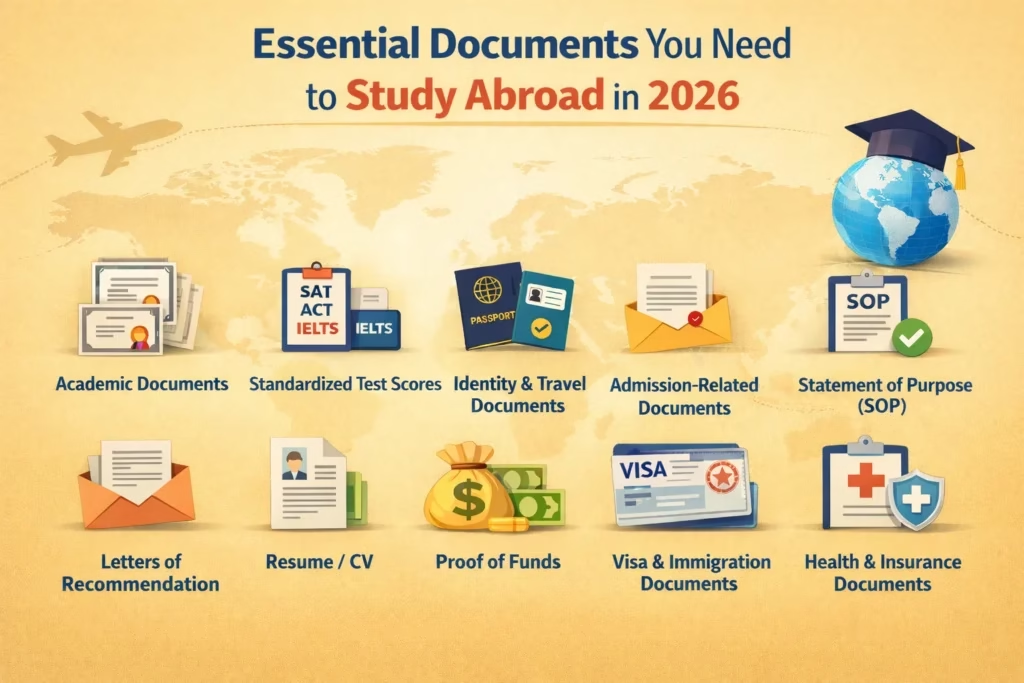
Studying abroad is an exciting journey, but one of the most important steps in the process is preparing the required documents. Many Indian students face delays or rejections simply because of missing or incorrect documentation. To make your application process smooth, it is essential to understand all the documents required for studying abroad. This guide provides a complete checklist that every student should follow. Academic Documents Academic documents are the foundation of your application. Universities evaluate your previous education to determine your eligibility. You will need: Make sure all documents are clear, accurate, and properly scanned. Passport A valid passport is mandatory for studying abroad. Requirements: If you do not have a passport, apply for one as early as possible. Statement of Purpose (SOP) The Statement of Purpose (SOP) is one of the most important documents in your application. It explains: A strong SOP can significantly increase your chances of admission. Letters of Recommendation (LOR) Many universities require Letters of Recommendation from teachers, professors, or employers. These letters should: Usually, 2–3 LORs are required. Resume (CV) A well-structured resume helps universities understand your background. Include: Keep your resume clear and professional. English Proficiency Proof Most universities require proof of English proficiency. This can include: Requirements vary depending on the country and university. Financial Documents Students must show proof that they can afford their education and living expenses. Common financial documents include: These documents are important for both admission and visa processing. Visa Documents Once you receive your admission letter, you will need additional documents for your student visa. These may include: Visa requirements vary depending on the country. Additional Documents (If Required) Some universities or countries may ask for extra documents such as: Always check the specific requirements of your chosen course and university. Final Thoughts Preparing the right documents is a crucial step in your study abroad journey. Missing or incorrect documents can lead to delays or even rejection of your application. Students should start preparing their documents early, double-check all details, and keep both digital and physical copies ready. With proper planning and guidance, the application process becomes much smoother and stress-free.

Documents Required to Study Abroad for Indian Students (Complete Checklist 2026) Read More »

Future Scope of Studying Abroad in 2026

Studying abroad has always been a popular choice among Indian students, but in 2026, the opportunities and benefits have grown even more. With globalization, technological advancements, and increasing demand for skilled professionals, studying abroad is no longer just about education-it is about building a global career. Understanding the future scope of studying abroad can help students make informed decisions about their education and long-term goals. Global Career Opportunities One of the biggest advantages of studying abroad is access to international job markets. Many countries offer post-study work opportunities, allowing students to gain real-world experience after completing their degree. Graduates from international universities are often preferred by employers because they: This increases their chances of securing high-paying jobs in multinational companies. High Demand for Skilled Professionals In 2026, industries such as technology, healthcare, engineering, and business are facing a shortage of skilled professionals worldwide. Students who study abroad in fields like: have strong career prospects and better job security. Countries are actively looking for international talent, which creates more opportunities for students. Better Return on Investment (ROI) Although studying abroad requires financial investment, the long-term returns can be significant. Benefits include: Many students recover their investment within a few years of working abroad. Opportunities for Permanent Residency (PR) Several countries offer pathways for international students to settle after completing their studies. Students can: This makes studying abroad a long-term career and settlement opportunity. Exposure to Advanced Education Systems Studying abroad gives students access to: This helps students develop industry-relevant skills that are highly valued in the global job market. Personal Growth and Independence Apart from academic and career benefits, studying abroad helps students grow personally. Students develop: These qualities are essential for success in today’s global world. Networking and Global Connections Studying abroad allows students to build a strong international network. Students interact with: These connections can help in finding job opportunities and building a global career. Future Trends in Studying Abroad In 2026, some key trends are shaping international education: Students who align their education with these trends can benefit the most. Final Thoughts The future scope of studying abroad in 2026 is very promising for Indian students. With global career opportunities, high demand for skilled professionals and pathways to long-term settlement, studying abroad can be a life-changing decision. However, students should carefully choose the right course, country, and university based on their career goals and financial situation. With proper planning and guidance, studying abroad can open doors to a successful and rewarding future.

Future Scope of Studying Abroad in 2026 Read More »

Highest Paying Jobs After Studying Abroad (2026 Guide)

One of the biggest reasons students choose to study abroad is the opportunity to secure high-paying jobs and build a successful global career. After completing your degree, the right course and skills can help you land jobs with excellent salary packages and long-term growth. In this guide, we’ll explore the highest paying jobs after studying abroad. 💼 Why Do Jobs Abroad Pay More? Jobs abroad often offer higher salaries due to: This makes studying abroad a great investment for your future. 🚀 Top Highest Paying Jobs After Studying Abroad Here are some of the most in-demand and high-paying career options: 1. Software Engineer / IT Professional One of the highest paying and most popular career options. High demand across all major countries. 2. Data Scientist / AI Specialist A rapidly growing field with excellent pay. Companies rely heavily on data, making this field highly valuable. 3. Healthcare Professionals Healthcare jobs are always in demand globally. Strong job security and growth opportunities. 4. Investment Banker / Finance Professional One of the most prestigious and high-paying careers. Ideal for commerce and finance students. 5. Engineering Professionals Engineering remains a top career choice. High demand in developed countries. 6. Business & Management Roles Perfect for students pursuing business degrees. Offers fast career growth and leadership opportunities. 7. Cybersecurity Specialist With rising digital threats, this field is booming. High demand and limited skilled professionals. 8. Digital Marketing & E-commerce A growing field with global demand. Great option for creative and analytical minds. 🌍 Factors That Affect Your Salary Your salary depends on several factors: 🎯 Tips to Get High-Paying Jobs To maximize your salary potential: ⚠️ Common Mistakes to Avoid Avoiding these mistakes can significantly improve your career prospects. Final Thoughts Studying abroad can open doors to some of the highest paying jobs in the world. However, success depends on choosing the right course, building strong skills, and staying proactive in your job search. With the right strategy, students can achieve financial success and build a rewarding global career.

Highest Paying Jobs After Studying Abroad (2026 Guide) Read More »

UK vs. Canada – Which is Better for Indian Students? (2026 Guide)

Choosing between the UK and Canada is one of the most common decisions for Indian students planning to study abroad. Both countries offer excellent education systems, globally recognized degrees, and good career opportunities. However, they differ in terms of cost, immigration pathways, job opportunities, and lifestyle. This guide will help you clearly understand which country is better for you. Education System Both the UK and Canada offer high-quality education, but their systems differ slightly. Students who prefer specialization early may choose the UK, while those who want flexibility may prefer Canada. Course Duration Duration plays a big role in overall cost and planning. The UK is ideal for students who want to save time and complete their degree faster. Cost of Studying Cost is one of the most important factors. Living expenses in Canada are generally more affordable compared to major UK cities. Work Opportunities During Study Both countries allow students to work part-time while studying. This helps students manage their daily expenses and gain experience. Post-Study Work Opportunities Both countries offer post-study work options. Canada offers a longer post-study work period compared to the UK. Permanent Residency (PR) Opportunities This is where Canada stands out. Students who plan to settle abroad often prefer Canada because of easier immigration pathways. Job Opportunities Both countries have strong job markets. Canada is often preferred for long-term job stability and growth. Lifestyle and Environment Students who prefer a calm lifestyle may choose Canada, while those who enjoy city life may prefer the UK. Which One Should You Choose? Choose UK if you: Choose Canada if you: Final Thoughts Both the UK and Canada are excellent destinations for Indian students. The right choice depends on your career goals, budget, and future plans. If your priority is quick education and faster entry into the workforce, the UK is a great option. If your goal is long-term settlement and career growth, Canada is the better choice. Careful planning and the right guidance can help you make the best decision for your future.

UK vs. Canada – Which is Better for Indian Students? (2026 Guide) Read More »

Is IELTS Really Required to Study Abroad? (2026 Guide)

One of the most common questions students ask is:“Is IELTS compulsory to study abroad?” The simple answer is- No, IELTS is not always required. Many students successfully study abroad without taking the IELTS exam. However, the requirement depends on the country, course, and university policies. Let’s understand this in detail. What is IELTS? IELTS (International English Language Testing System) is an exam that measures a student’s English proficiency. It evaluates: Many universities use IELTS scores to assess whether students can study in an English-speaking environment. Is IELTS Mandatory for All Countries? No, IELTS is not mandatory for all countries. Some countries and universities allow students to apply without IELTS if they meet certain conditions, such as: How Can You Study Abroad Without IELTS? Students can still apply abroad without IELTS by meeting alternative requirements. Common options include: Many institutions accept these alternatives. Countries Where IELTS May Not Be Required Some countries offer options to study without IELTS under certain conditions: Requirements vary, so students should always check before applying. When is IELTS Required? Even though IELTS is not always mandatory, it is still required in some cases: In such cases, IELTS becomes important. Advantages of Taking IELTS Even if it’s optional, taking IELTS has benefits: A good IELTS score can strengthen your overall profile. Should You Skip IELTS? It depends on your situation. Skip IELTS if: Take IELTS if: Common Myths About IELTS Many students believe: These are myths. The reality is that requirements vary, and many students go abroad without IELTS. Final Thoughts IELTS is not always required to study abroad, but it can be beneficial. Students should research their target country and university requirements carefully before making a decision. If you have strong academics and meet alternative criteria, you can definitely study abroad without IELTS. However, having an IELTS score gives you more flexibility and opportunities.

Is IELTS Really Required to Study Abroad? (2026 Guide) Read More »

Timeline for Study Abroad (Month-by-Month Plan) – 2026 Guide

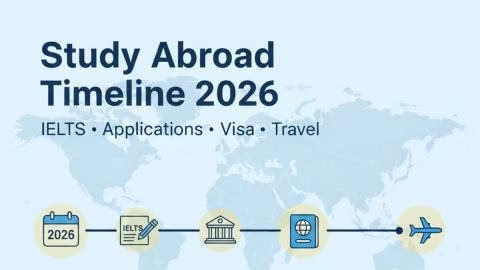
Planning to study abroad can feel confusing, especially if you don’t know when to start and what to do. A proper timeline helps you stay organized, avoid last-minute stress, and increase your chances of success. Here’s a simple month-by-month plan for Indian students 👇 12–15 Months Before Intake This is where your journey begins. This stage is all about clarity and research 10–12 Months Before Intake Now start preparing seriously. Early preparation = less stress later 8–10 Months Before Intake Time to start applications.  Apply to multiple options to increase chances 6–8 Months Before Intake Now results start coming.  Choose wisely based on career goals + budget 4–6 Months Before Intake Financial planning stage  This step is crucial for visa approval 3–4 Months Before Intake Visa process begins.  Double-check documents to avoid rejection 2–3 Months Before Intake Almost there  Start mentally preparing for the move Final preparations. 1 Month Before Intake  Stay calm and organized After Reaching Abroad Welcome to your new journey This is where your real experience begins Important Tips Common Mistakes to Avoid Avoiding these can save you from major stress. Final Thoughts A well-planned timeline is the key to a smooth study abroad journey. By following a structured month-by-month plan, students can avoid confusion, meet deadlines, and improve their chances of success. Starting early, staying organized, and taking the right steps at the right time can make your dream of studying abroad a reality.

Timeline for Study Abroad (Month-by-Month Plan) – 2026 Guide Read More »

How to Build a Career Abroad from Scratch (2026 Guide)

Building a career abroad from scratch may feel difficult at first, especially when you are in a new country with no experience or connections. However, thousands of students successfully build strong careers abroad every year. With the right approach, planning, and consistency, it is completely achievable. Start with the Right Course Your career begins with your course choice. Choose a course that has strong demand in the global job market. Fields like IT, healthcare, business, and engineering offer better opportunities. A good course increases your chances of getting a job faster. Build Skills Along with Studies Having a degree alone is not enough. Focus on building practical skills such as communication, problem solving, and technical knowledge. Learn tools and technologies related to your field. Employers value skills more than just qualifications. Gain Experience Early Start gaining experience while studying. Take up internships, part-time jobs, or volunteer work. Even small experiences help you understand the work environment and strengthen your profile. Experience gives you an advantage over other candidates. Create a Strong Resume Your resume is your first impression. Keep it simple and clear. Focus on skills, achievements, and relevant experience. Make sure it is updated with your latest work and projects. A strong resume improves your chances of getting shortlisted. Network and Build Connections Networking plays a crucial role abroad. Connect with people through LinkedIn, university events, and job fairs. Interact with seniors and professionals in your field. Many job opportunities come through referrals and connections. Apply Smartly for Jobs Avoid applying randomly. Apply for roles that match your skills and profile. Customize your resume for each application and stay consistent in your efforts. Smart applications increase your chances of success. Improve Communication Skills Communication is a key factor in securing a job. Work on speaking clearly, building confidence, and maintaining professional communication. Strong communication skills can set you apart from other candidates. Stay Consistent and Patient Getting your first job may take time. Rejections are a normal part of the process. Keep improving your skills and continue applying. Consistency and patience are essential. Understand Work Visa Options After completing your studies, understand your work visa options. Apply for post-study work opportunities and plan your job search accordingly. Early awareness helps you stay prepared. The Reality You Should Know Building a career abroad is not an instant process. It requires effort, patience, and continuous learning. However, once you establish yourself, the growth and opportunities are significant. Final Thoughts Building a career abroad from scratch may seem challenging, but it is entirely possible. With the right mindset, skills, and strategy, students can create successful and long-term careers internationally. Start early, stay focused, and keep improving.

How to Build a Career Abroad from Scratch (2026 Guide) Read More »

Scroll to Top